The modular and compact structure of a mobile asphalt mixing plant fundamentally reduces both initial investment and on-site construction cost by minimizing civil works, shortening installation time, and lowering infrastructure dependency. Unlike stationary asphalt mixing plants, which require fixed foundations and large layouts, this design approach shifts cost from permanent construction to flexible configuration. Understanding how this structural difference affects asphalt plant design and asphalt plant cost helps buyers make more rational, cost-focused decisions.
Reduced Foundation Work Lowers Upfront Capital Pressure
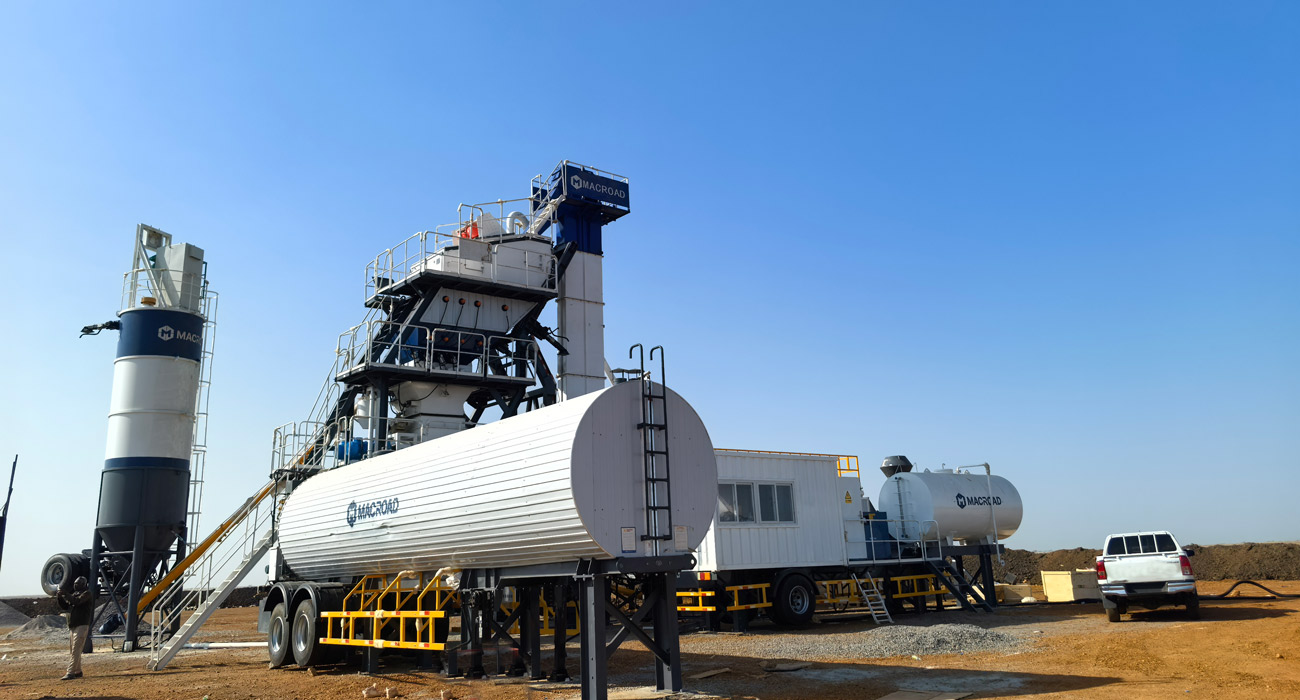
One of the most direct ways a mobile asphalt mixing plant reduces initial investment is by eliminating the need for extensive foundation construction. Traditional stationary asphalt mixing plants depend on reinforced concrete bases, which require time, materials, and engineering coordination. These civil works often represent a significant portion of early-stage spending.
In contrast, a modular structure allows equipment to be installed on simplified or temporary ground preparation. Because the system is divided into transportable units, the load distribution is optimized, reducing the need for deep or permanent foundations. As a result, the financial burden shifts away from heavy civil engineering.
More importantly, this approach reduces risk. If project conditions change, the sunk cost in foundation work for stationary asphalt mixing plants cannot be recovered. A mobile asphalt mixing plant avoids this issue by keeping infrastructure investment minimal and adaptable.
Modular Assembly Minimizes On-Site Construction Time
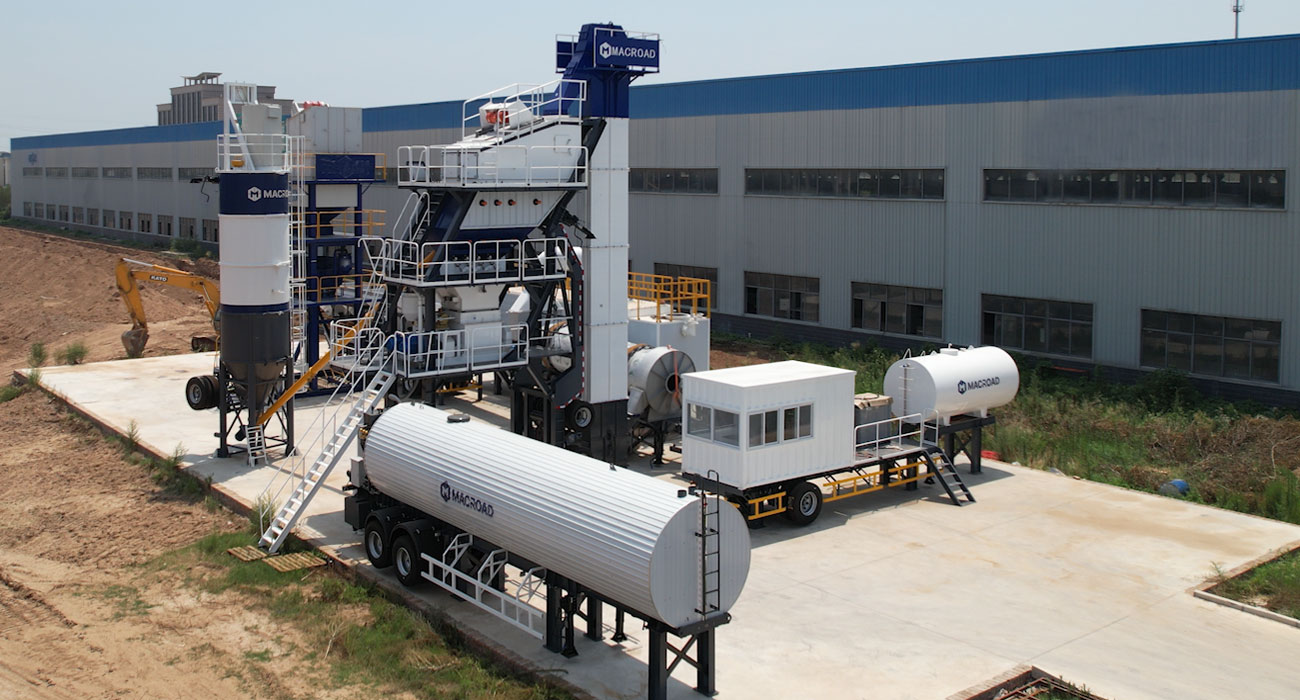
Beyond foundation savings, the modular configuration significantly cuts on-site construction cost by shortening installation timelines. In traditional asphalt plant design, stationary asphalt mixing plants require sequential assembly, alignment, and integration of large components, often extending project timelines.
On the other hand, a mobile asphalt mixing plant is pre-engineered into functional modules that can be quickly connected on site. This reduces the need for specialized labor, heavy lifting coordination, and prolonged supervision. Time savings directly translate into lower labor and equipment rental costs.
Additionally, faster installation means earlier production start. This indirectly reduces asphalt plant cost by improving capital efficiency. Instead of tying up resources during long construction phases, operators can begin generating output sooner, improving overall project economics.
Compact Layout Reduces Infrastructure Dependency
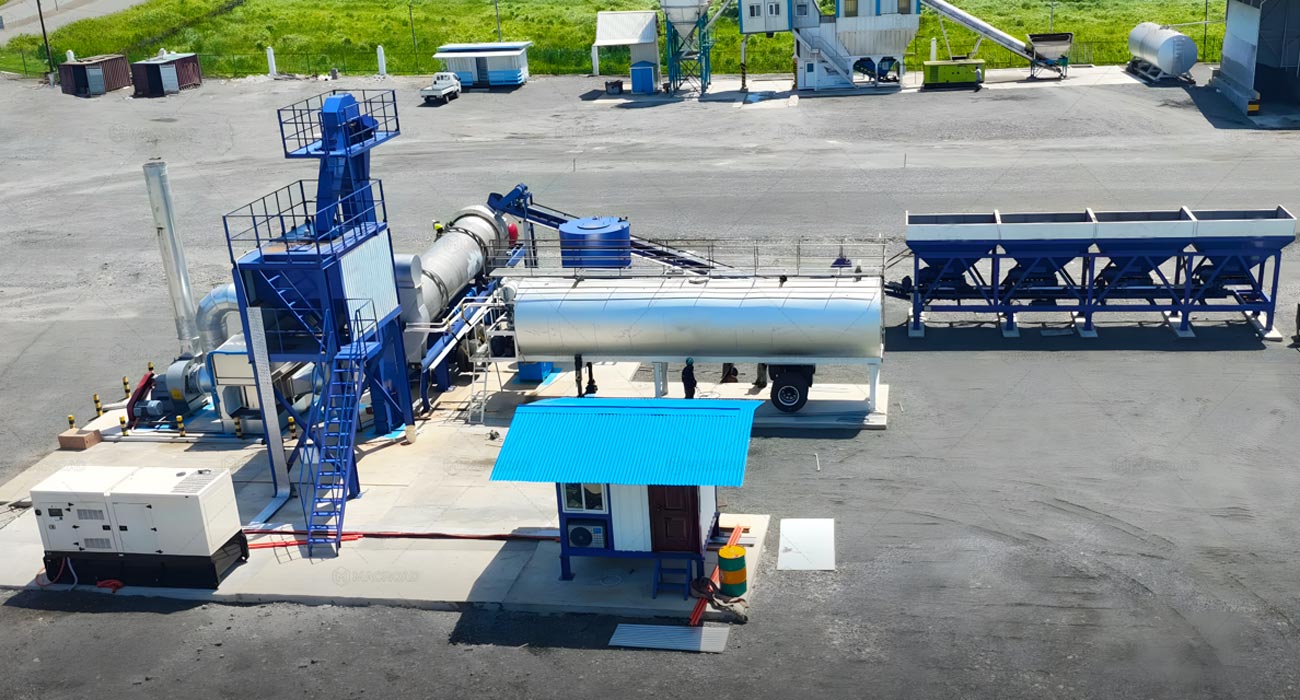
Another critical factor lies in the compact spatial footprint. Stationary asphalt mixing plants typically require large, dedicated sites with carefully planned layouts for material flow, storage, and equipment spacing. This increases land preparation cost and may require additional infrastructure such as access roads and utility extensions.
By comparison, a mobile asphalt mixing plant integrates multiple functions into a smaller, more efficient layout. The compact design reduces land requirements and simplifies site preparation. This is particularly beneficial in projects where space constraints or temporary operations are key considerations.
Furthermore, reduced infrastructure dependency lowers indirect costs. There is less need for extensive electrical wiring, piping systems, and auxiliary structures. This streamlined asphalt plant design not only saves money initially but also simplifies relocation, further protecting long-term investment.
Conclusion
The cost advantage of a mobile asphalt mixing plant is not driven by a single factor, but by a structural shift in how the plant is designed and deployed. By reducing foundation requirements, accelerating installation, and minimizing infrastructure needs, it lowers both initial investment and on-site construction asphalt plant cost. Compared with stationary asphalt mixing plants, this modular and compact approach offers a more flexible and financially efficient solution, especially in projects where adaptability and cost control are critical.