Latin America presents a wide range of climate zones, from the humid tropics of Central America to the high-altitude, cooler regions of the Andes. These variations create unique challenges for road construction, particularly when it comes to producing high-quality asphalt mixes. Temperature control in asphalt plants plays a pivotal role in ensuring the durability and performance of pavement materials. In this article, we will examine the specific temperature control requirements for different Latin American climates and explore how various types of asphalt plants(planta asfalto), including mini asphalt plants and drum mix asphalt plants, can meet these needs.
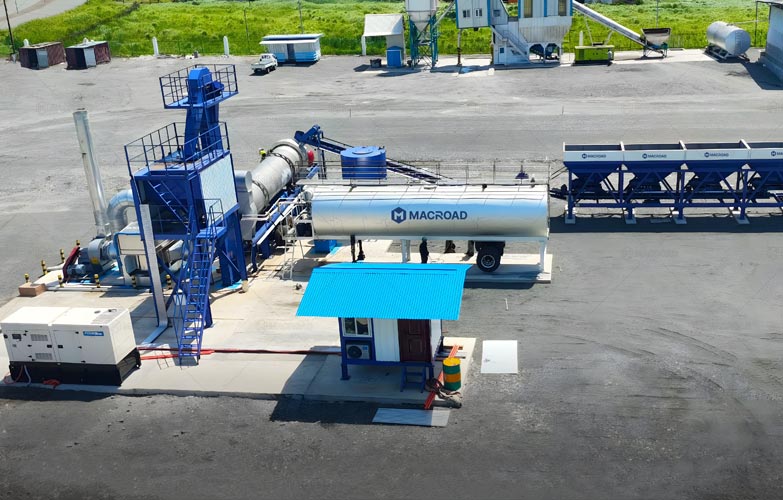
Understanding Climate Challenges in Latin American Road Construction
Latin America’s climatic diversity demands a nuanced approach to asphalt production. For instance, countries like Mexico, Colombia, and Peru feature both tropical lowlands and cooler mountainous regions. Temperature fluctuations can significantly affect the viscosity and workability of asphalt mixtures. Maintaining optimal mixing temperatures is critical to ensure proper coating of aggregates and long-term pavement performance.
Tropical Lowlands: Heat and Humidity Considerations
In tropical regions, such as the Yucatán Peninsula in Mexico or coastal Colombia, ambient temperatures often exceed 30°C (86°F), and relative humidity can surpass 80%. High humidity can accelerate the cooling of asphalt once it leaves the plant, potentially causing inadequate compaction on-site. Asphalt plants operating in these areas must account for rapid heat loss during transportation and laying.
Modern drum mix asphalt plants(planta asfáltica continua) and batch-type asphalt plants often include insulated storage silos and heated delivery systems to counteract environmental cooling. Additionally, precise temperature monitoring systems are necessary to ensure that the asphalt mix remains within the recommended range, typically between 140–160°C for standard hot mix asphalt.
High-Altitude and Andean Zones: Low Temperatures and Reduced Air Pressure
The Andes Mountains present an opposite challenge. In regions like the Peruvian highlands or Ecuador’s Andean plateau, ambient temperatures can drop below 10°C (50°F), and reduced air pressure at high altitudes affects combustion efficiency in burners. Asphalt tends to cool rapidly, which can compromise workability and lead to incomplete aggregate coating.
Asphalt plants Mexico and other highland regions often rely on enhanced temperature control measures, such as pre-heating aggregates and using high-efficiency burners to maintain the desired mix temperature. In some cases, mobile asphalt plants with integrated thermal insulation are preferred for remote or high-altitude projects, as they allow closer production to the job site, reducing heat loss during transport.
Key Temperature Control Requirements for Asphalt Plants
Regardless of location, all asphalt plants must maintain precise control over the temperatures of both the aggregate and the asphalt binder. However, the degree of control required varies depending on climate conditions and project requirements.
Aggregate Drying Temperature
Aggregate temperature significantly influences the quality of the final asphalt mix. In humid tropical climates, aggregates may contain residual moisture, which requires slightly higher drying temperatures to ensure complete removal before mixing. Drum mix asphalt plants often feature continuous dryers with adjustable temperature controls, enabling operators to maintain optimal drying without overheating the aggregates.
In colder Andean climates, the focus shifts from moisture removal to maintaining heat to prevent premature cooling. Batch asphalt plants may pre-heat aggregates to compensate for heat loss during mixing and transportation, ensuring consistent temperature and workability.
Asphalt Binder Temperature
The temperature of the asphalt binder must be carefully monitored and controlled. In hot, lowland regions, binder temperatures may need to be slightly lower to prevent excessive aging and oxidation, which can reduce pavement flexibility. Conversely, in cooler highland regions, maintaining higher binder temperatures is essential to avoid stiff mixes that are difficult to compact.
Mini asphalt plants(Mini planta asfáltica) with advanced temperature sensors provide precise control over binder heating, allowing operators to adjust settings in real-time according to ambient conditions. This flexibility is particularly valuable for small-scale projects in variable climates, where consistent mix quality is critical.
Mixing Temperature and Retention
Proper mixing temperature ensures that the asphalt binder fully coats the aggregates. Inconsistent temperatures can lead to segregation, voids, or inadequate adhesion, reducing pavement lifespan. Advanced asphalt plants include automated control systems that monitor and adjust temperatures for each batch or drum cycle. These systems are essential in regions with extreme temperature fluctuations, such as high-altitude deserts or tropical rainforests.
Additionally, insulated storage silos and heated delivery trucks can help retain temperature during transport, reducing the risk of premature cooling before paving.
Technology Solutions for Differentiated Temperature Control
Mini Asphalt Plants
Mini asphalt plants offer an ideal solution for projects requiring flexibility and precision. These compact units are often fully automated, allowing operators to set exact temperatures for both aggregates and asphalt binder. Their smaller scale makes them easier to move closer to the construction site, reducing heat loss during transport. In Latin America, mini asphalt plants have gained popularity for small to medium-scale projects in remote or challenging locations.
Drum Mix Asphalt Plants
Drum mix asphalt plants are particularly suitable for large-scale, continuous production projects. Their integrated drying and mixing system enables consistent temperature control across large volumes of material. Modern drum mix plants are equipped with sophisticated burner controls and insulation systems, ensuring uniform heating of aggregates and binder. For regions with high humidity or significant temperature swings, these features are critical to maintaining quality and reducing production waste.
Automated Temperature Monitoring Systems
Automation is a key component of modern temperature control. Sensors embedded in mixers, silos, and transport systems continuously monitor temperatures, sending data to central control units. Operators can adjust settings in real-time, ensuring that the asphalt mix remains within target ranges. This approach is particularly effective in Latin America, where climatic conditions can vary dramatically between day and night, or from one site to another.
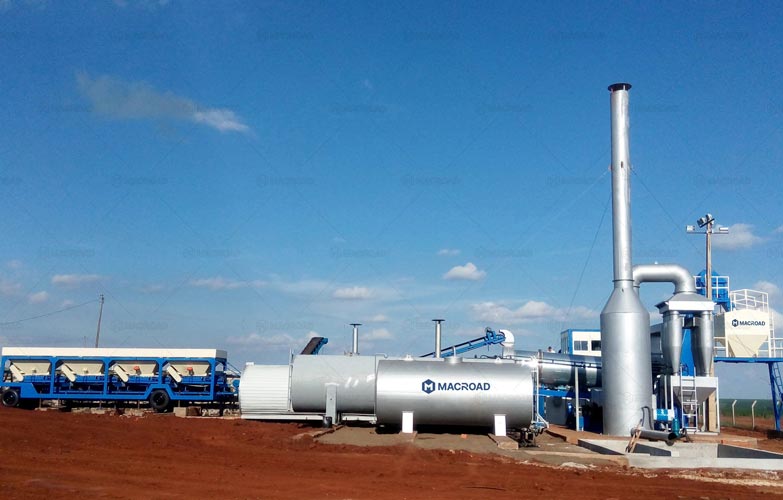
Case Study: Asphalt Plant Operations in Mexico
Mexico exemplifies the need for differentiated temperature control. The country’s geography spans arid northern deserts, tropical southern regions, and high-altitude plateaus. Asphalt plants Mexico(Planta de asfalto México) employ a variety of strategies to maintain mix quality, including:
- Pre-heated aggregates for highland projects to prevent early cooling.
- Insulated silos and heated transport systems for tropical lowlands to counteract humidity and rapid heat loss.
- Automated temperature control for continuous adjustment based on ambient conditions.
- Deployment of mini asphalt plants for remote or temporary projects to ensure mix quality on smaller scales.
These measures collectively ensure that road construction projects maintain consistent performance despite the wide range of environmental conditions.
Conclusion: Optimizing Asphalt Quality Through Temperature Control
Effective temperature management is essential for producing high-quality asphalt in Latin America’s diverse climates. From tropical lowlands to Andean highlands, the challenges differ, but the solution lies in precise control of aggregate, binder, and mix temperatures. Whether using a drum mix asphalt plant for large-scale production or a mini asphalt plant for smaller, flexible operations, the key is to adapt to local conditions and maintain consistent quality throughout the process.
As infrastructure development continues to expand across Latin America, advanced temperature control systems in asphalt plants will play a pivotal role in ensuring durable, long-lasting pavements. Contractors and plant operators who invest in modern automation, thermal insulation, and mobile solutions are better positioned to meet the demands of diverse climate zones, ultimately delivering safer and more reliable roads.
For road construction projects in Mexico, Colombia, Peru, or other Latin American regions, selecting the right asphalt plant equipped with differentiated temperature control capabilities is no longer optional—it is a necessity for achieving optimal mix performance and long-term pavement durability.