A 50-ton overhead crane is designed to handle heavy-duty lifting tasks in industries such as steel manufacturing, precast concrete production, shipbuilding, power plants, and heavy equipment assembly. However, in real-world applications, it is not uncommon for a crane originally rated at 50 tons to be “derated,” meaning its official safe working load is intentionally reduced—for example, from 50 tons to 45 tons, 40 tons, or another value.
While this may sound like a limitation, derating is actually a critical engineering and safety decision. It ensures that the crane operates reliably under specific working conditions, complies with safety standards, and maintains long-term structural integrity.
In this article, we will explore why derating a 50 ton overhead crane capacity is sometimes necessary, what factors lead to it, and how it benefits both safety and operational performance.
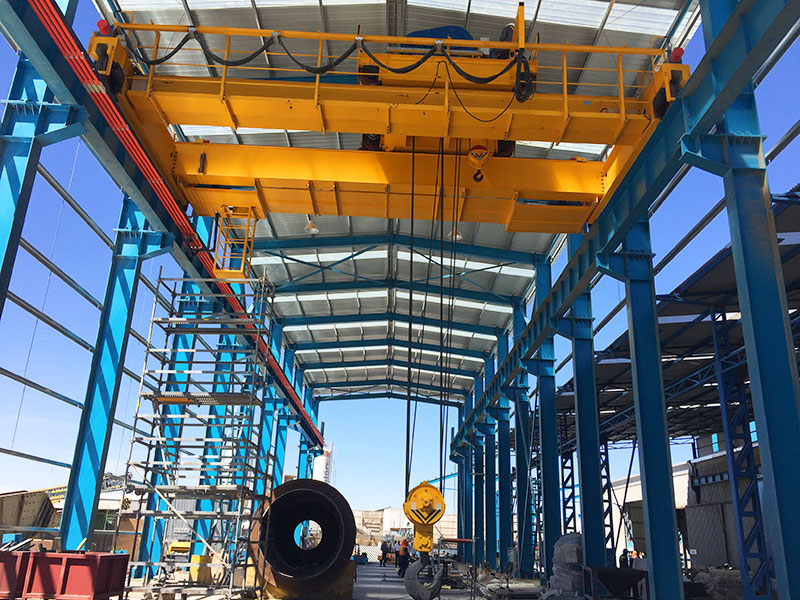
1. What Does Crane Derating Mean?
Crane derating refers to the intentional reduction of a crane’s rated lifting capacity below its original design specification.
For example:
- Original design capacity: 50 tons
- Derated capacity: 40–45 tons
This does not necessarily mean the crane is defective. Instead, it reflects a reassessment of safe working limits based on:
- Operating conditions
- Structural modifications
- Duty cycle changes
- Environmental factors
- Regulatory compliance requirements
In many cases, derating is a proactive safety measure, not a reaction to failure.
2. Changes in Working Conditions After Installation
One of the most common reasons for derating a 50-ton double girder overhead crane is a change in its operating environment or duty conditions compared to the original design assumptions.
Examples include:
- The crane is relocated to a different workshop with weaker support structures
- The runway beams or building structure have lower load-bearing capacity than initially planned
- The crane is now used more frequently or for longer cycles than expected
If the supporting structure or operating conditions cannot safely sustain full 50-ton loads, engineers may reduce the rated capacity to prevent structural stress or deformation.
3. Structural Aging and Fatigue Over Time
Even a well-designed 50-ton crane experiences metal fatigue over years of service.
Continuous lifting cycles lead to:
- Stress accumulation in the bridge girders
- Wear in weld joints
- Deformation of structural components
- Reduced stiffness of the overall frame
When inspection results show that fatigue life has been partially consumed, engineers may recommend derating the crane to:
- Extend remaining service life
- Prevent sudden structural failure
- Maintain safe operation under reduced stress levels
This is especially common in cranes operating in 24/7 production environments, such as steel mills or precast yards.
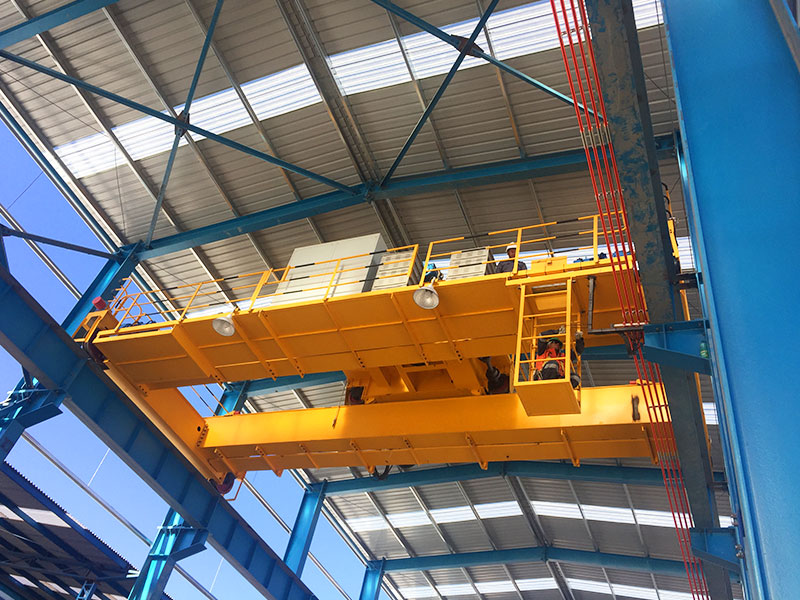
4. Modification or Upgrading of Crane Components
Ironically, modifications can sometimes reduce a crane’s allowable capacity.
Examples include:
- Installing a heavier hoist or trolley system
- Adding auxiliary equipment such as maintenance platforms or magnets
- Extending the span or modifying the girder structure
- Changing the rope system or reeving configuration
These modifications increase the dead load of the overhead bridge crane, leaving less margin for safe lifting. As a result, the net safe working load may need to be reduced.
In such cases, derating ensures that:
Total load (crane self-weight + lifting load) remains within structural safety limits.
5. Compliance With Updated Safety Standards
Engineering standards for cranes are periodically updated by organizations such as:
- ISO (International Organization for Standardization)
- FEM (European Materials Handling Federation)
- CMAA (Crane Manufacturers Association of America)
A crane designed years ago may have been compliant with older standards, but not fully aligned with updated safety factors.
When a crane is re-certified under new standards, engineers may:
- Recalculate load factors
- Increase safety margins
- Reassess dynamic loading conditions
This often leads to a reduction in official rated capacity even though the physical crane has not changed.
6. Harsh Environmental Conditions
Environmental factors can significantly influence crane performance and safety limits.
A 50-ton overhead crane operating under ideal indoor conditions may not safely handle the same load in harsher environments such as:
- High-temperature steel plants
- Corrosive chemical plants
- Dust-heavy cement or mining facilities
- High humidity coastal regions
These conditions accelerate:
- Corrosion of steel structures
- Electrical component degradation
- Lubrication breakdown
- Mechanical wear
To maintain safe operation, engineers may reduce the overhead crane rated capacity to account for environmental stress.
7. Frequent Heavy-Duty Operation (Duty Class Upgrade)
Crane capacity is not only about maximum lifting weight—it is also about duty classification (how frequently and intensively the crane is used).
A 50-ton crane designed for occasional lifting (low duty class) may become unsafe if used for:
- Continuous production lifting
- Multi-shift operations
- High-cycle repetitive loading
In such cases, fatigue accumulates faster than expected. To compensate, engineers may derate the crane to reduce stress per cycle and extend operational lifespan.
8. Inspection Findings and Safety Margin Adjustments
Regular inspections may reveal issues that require conservative action, such as:
- Minor cracks in welds
- Deformation in girder alignment
- Reduced stiffness in end beams
- Hoist wear or rope degradation
Even if these issues are not immediately dangerous, they reduce the safety margin. Derating becomes a preventive measure to avoid escalation.
In many industries, this is part of a predictive maintenance strategy, where capacity is adjusted before failure occurs.
9. Foundation or Runway Limitations
Sometimes the crane itself is still capable of lifting 50 tons, but the supporting structure is not.
Limitations may include:
- Weak runway beams
- Inadequate column strength
- Foundation settlement or cracking
- Uneven rail alignment
Since the crane and building system work together, the weakest element determines safe capacity. In such cases, derating protects the entire system from structural overload.
10. Insurance and Legal Requirements
Insurance companies and regulatory bodies often require conservative operating limits after:
- Accident investigations
- Structural modifications
- Ownership transfers
- Long-term service extensions
Derating may be required to:
- Reduce liability risk
- Meet insurance policy conditions
- Obtain operational permits
This ensures compliance and protects both operators and equipment owners legally.
11. Benefits of Derating a 50-Ton Overhead Crane
Although derating reduces maximum capacity on paper, it provides several important advantages:
✔ Improved safety margin
Lower stress levels reduce the risk of structural failure.
✔ Extended crane lifespan
Reduced load cycles slow fatigue accumulation.
✔ Lower maintenance cost
Less wear on hoists, ropes, and structural components.
✔ Stable long-term operation
Better reliability in demanding industrial environments.
✔ Regulatory compliance
Ensures alignment with updated safety codes and inspection requirements.
12. Conclusion
Derating a 50-ton overhead crane is not a sign of weakness or failure – it is a responsible engineering decision based on real operating conditions, structural assessments, and safety standards.
Whether caused by environmental stress, aging structure, increased duty cycles, or regulatory updates, derating ensures that the crane continues to operate safely and efficiently within its true safe limits.
In modern industrial practice, safety always comes before maximum capacity. A slightly derated crane that runs reliably every day is far more valuable than a fully rated crane that operates at risk.