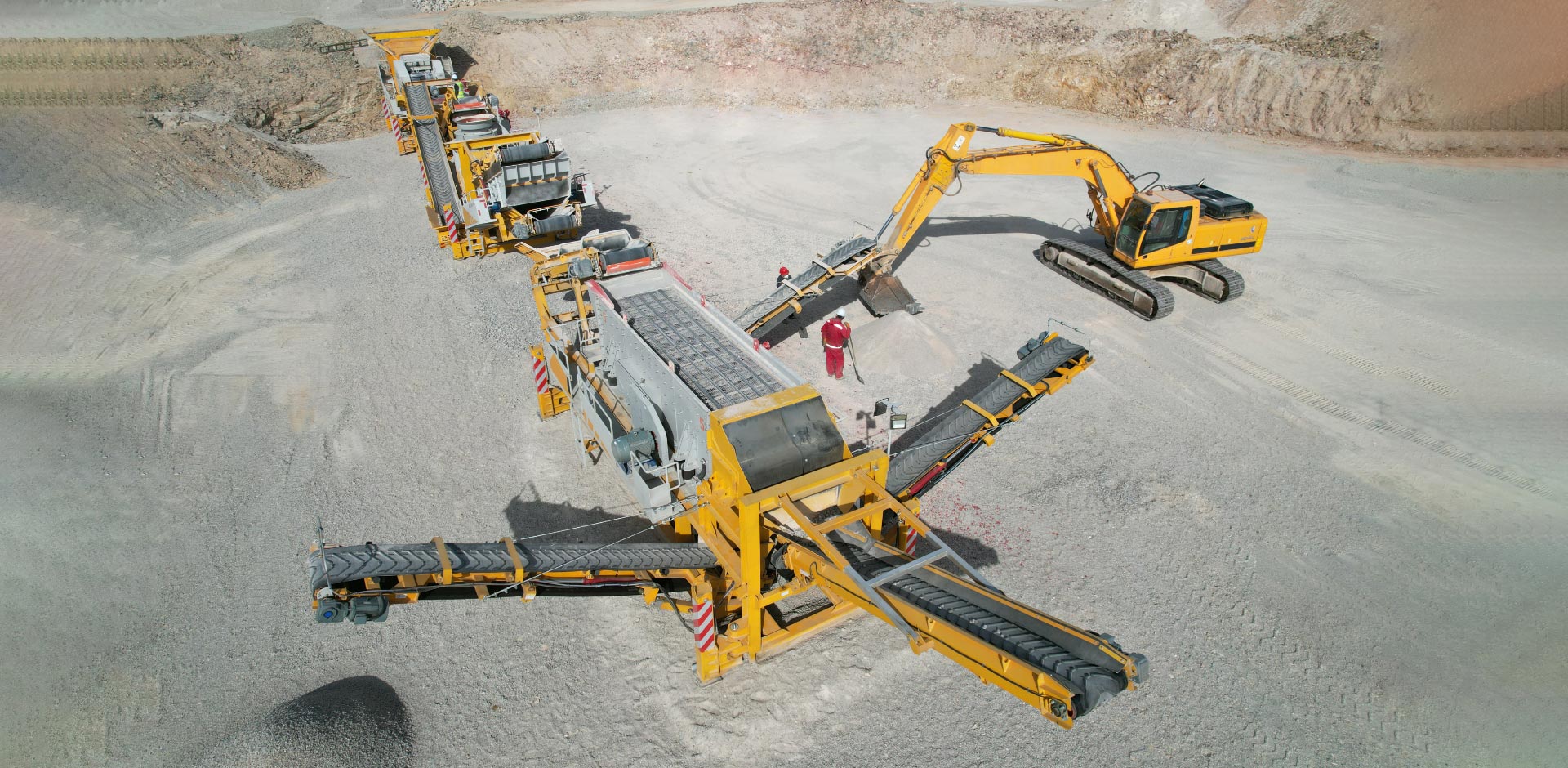
In the realm of large-scale infrastructure—bridges that span sprawling estuaries, highways that carve through mountain passes, and dams that harness the power of mighty rivers—the critical path to completion is often paved with aggregate. While the public and media frequently focus on the architectural grandeur or the political will behind such mega-projects, the unsung hero of schedule adherence is frequently the gravel pit. The planning and execution of gravel production is not merely a logistical afterthought; it is the lifeblood that dictates the velocity of construction. A failure in this upstream process creates a cascading ripple effect, turning a streamlined timeline into a morass of delays, cost overruns, and contractual penalties. This article delves into the often-overlooked nexus between resource extraction and project delivery, elucidating why strategic sand and aggregate production planning is as critical as structural engineering for the timely realization of monumental works.
1. The Geotechnical and Logistical Preliminaries
Before the first tonne of gravel can be crushed, a comprehensive understanding of the source material and its logistical pathway is paramount. Miscalculations at this nascent stage invariably metastasize into catastrophic schedule slippages.
Comprehensive Resource Characterization and Testing
The propensity for projects to falter often begins with an inadequate geological survey of the designated borrow pit. It is a fatal error to assume uniformity in a deposit. A lack of rigorous core sampling can obscure the presence of deleterious materials, such as soft chert or clay-filled seams, which can compromise the aggregate’s Los Angeles Abrasion value or its freeze-thaw durability. If the material proves unsuitable for the stringent quality specifications of the project, the production plan must be radically rejiggered, often requiring the sourcing of materials from a more distant, albeit compliant, quarry. This entails not only the financial burden of extended haulage but also the temporal cost of reopening the supply chain, rendering preliminary geotechnical due diligence a non-negotiable prerequisite for maintaining the project’s critical path.
Strategic Inventory Management and Stockpiling
Infrastructure projects are notoriously susceptible to the vagaries of weather; monsoon rains or winter freezes can render a pit unusable and gravel crush production to a standstill. Prudent planning mandates the establishment of a “surge pile”—a substantial buffer stock of processed aggregate that exceeds immediate demand. This prophylactic measure ensures that concreting and earthworks can proceed unhindered during periods of inclement weather. However, stockpiling requires careful spatial planning and cost consideration. Conversely, maintaining a minimal inventory to reduce holding costs is a gamble that often backfires, leading to the phenomenon of “starving the beast”—where the construction crews stand idle, awaiting the resupply of material. A delicate equilibrium between Just-In-Time (JIT) delivery and strategic redundancy is the hallmark of sophisticated aggregate management.
2. Equipment Selection and Throughput Optimization
The choice of processing equipment is a pivotal determinant of the production rate. A mismatch between the crusher’s capacity and the project’s peak demand introduces a bottleneck that is extraordinarily difficult to alleviate.
The Importance of Scalability in Crushing Capacity
While a smaller crusher may possess a lower initial capital expenditure, its inability to meet the peak demand of a large infrastructure project is a latent liability. Aggregates are often required in massive, concentrated pulses—to support the continuous pour of a bridge deck or to lay down kilometers of sub-base ahead of asphalt paving. A plant operating at its absolute maximum capacity leaves no room for maintenance or unplanned downtime, creating a high-stakes environment where any mechanical failure results in a project-wide standstill. Opting for a modular system with a slightly expanded capacity provides a “factor of safety,” allowing the operation to absorb peak volumetric demands without sacrificing component life. This strategic over-provisioning ensures that the aggregate pipeline remains full, even when the plant experiences minor hiccups.
Automation and Real-Time Process Control
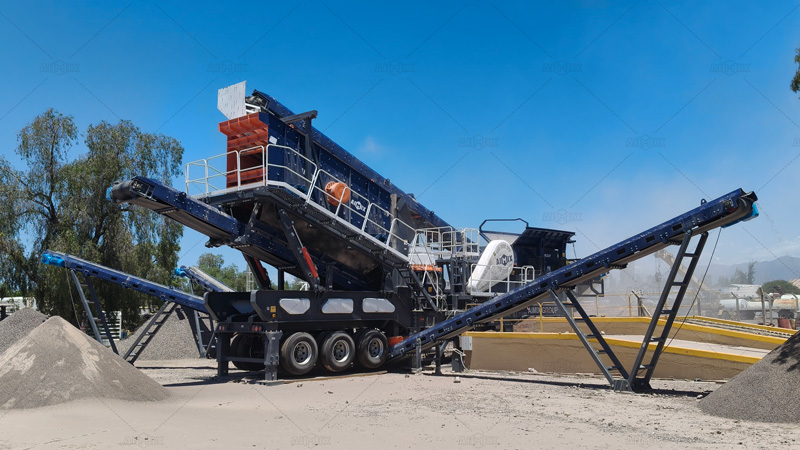
The era of manually adjusting crusher settings based on visual observation is a relic of the past. Modern aggregate crusher plant relies on sophisticated automation systems that provide real-time feedback on power draw, hydraulic pressure, and product gradation. These systems enable the crusher to “choke-feed” efficiently, maximizing inter-particle crushing and minimizing wear. Furthermore, the integration of automated sampling and particle size analysis allows for immediate adjustments to the closed side setting (CSS) if the product begins to drift out of specification. This proactive control prevents the production of off-specification material that must be either re-handled through the circuit or discarded as waste, both of which are ruinous to both schedule and profitability.
3. Operational Strategy and Contingency Frameworks
Resilient project management is defined not by the absence of problems, but by the presence of robust plans to mitigate them. A comprehensive operational strategy must encompass the human element and the unpredictability of mechanical systems.
Predictive Maintenance and Crew Proficiency
Unplanned downtime is the arch-nemesis of infrastructure timelines. Progressive operations implement a stringent Predictive Maintenance (PdM) regimen, utilizing vibration analysis and thermal imaging to detect incipient failures in bearings, motors, and shafts before they manifest as catastrophic breakdowns. The skill and stability of the operational crew are equally vital; a high turnover rate among crusher plant operators introduces a steep learning curve, where efficiency suffers during the onboarding of new personnel. Investing in continuous training and fostering a culture of ownership ensures that the machinery is operated within its optimal parameters, reducing mechanical stress and enhancing the longevity of components, thereby safeguarding the production schedule against unforeseen disruptions.
Supply Chain Diversification and Substitution
A singular reliance on one quarry or one source material is a high-risk strategy. In the event of a pit flood, a conveyor belt fire, or a regulatory compliance issue, the entire project could be hamstrung. Savvy project managers devise contingency plans that include pre-qualified alternative sources and the specification flexibility to utilize recycled aggregates or manufactured sands. By having these fallback options already tendered and ready to mobilise, a project can seamlessly transition to an alternative supply chain, ensuring that the aggregate flow is merely a trickle rather than a complete cessation. This diversification acts as a powerful hedge against logistical disruptions, ensuring that the tempo of construction remains largely undisturbed by localized supply shocks.