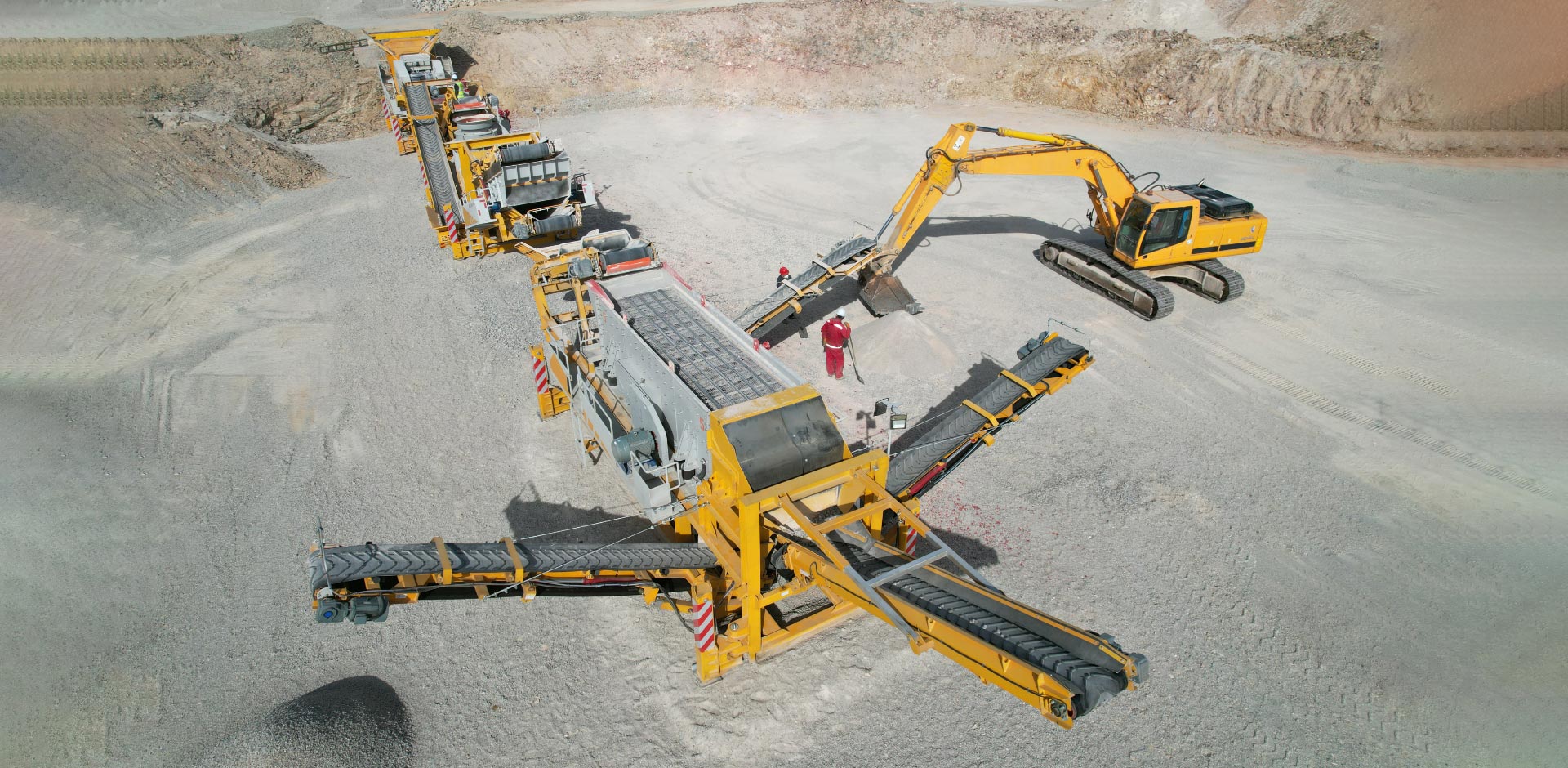
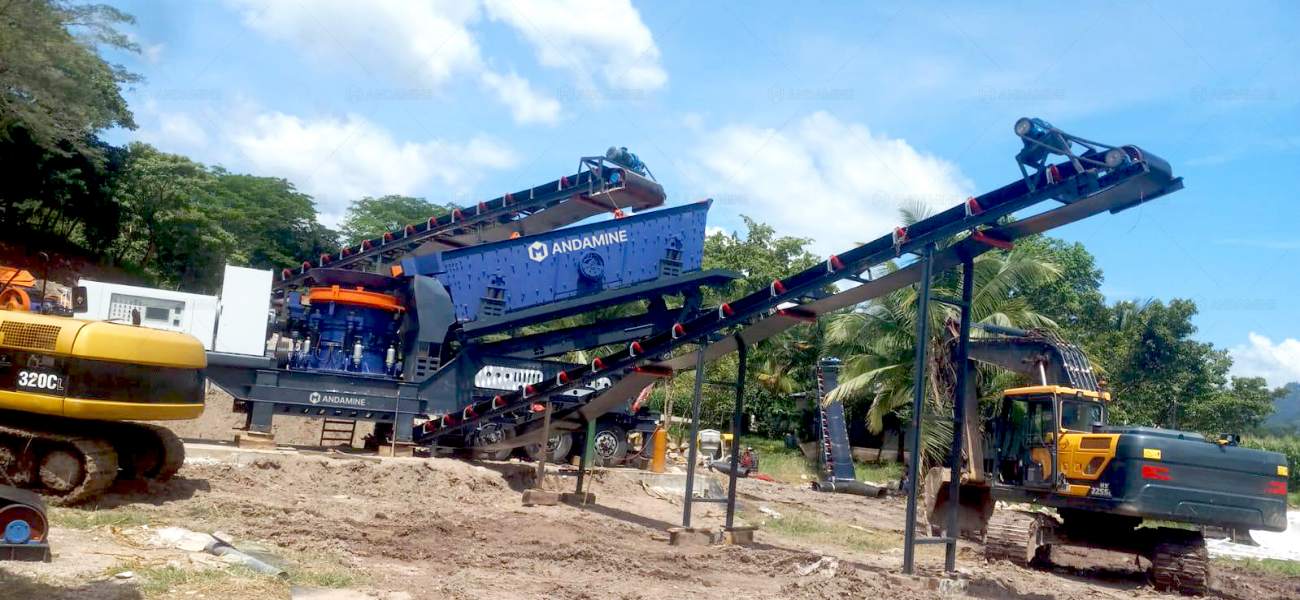
Mobile crushing and screening plants have become essential equipment in modern quarrying, mining, and construction projects due to their flexibility, mobility, and on-site processing capability. To ensure long-term performance, structured maintenance and lifecycle management are critical. Without proper care, even advanced systems such as the mobile jaw crusher plant, mobile cone crusher plant, and other mobile crushing plants types may suffer from downtime, reduced efficiency, and higher operational costs.
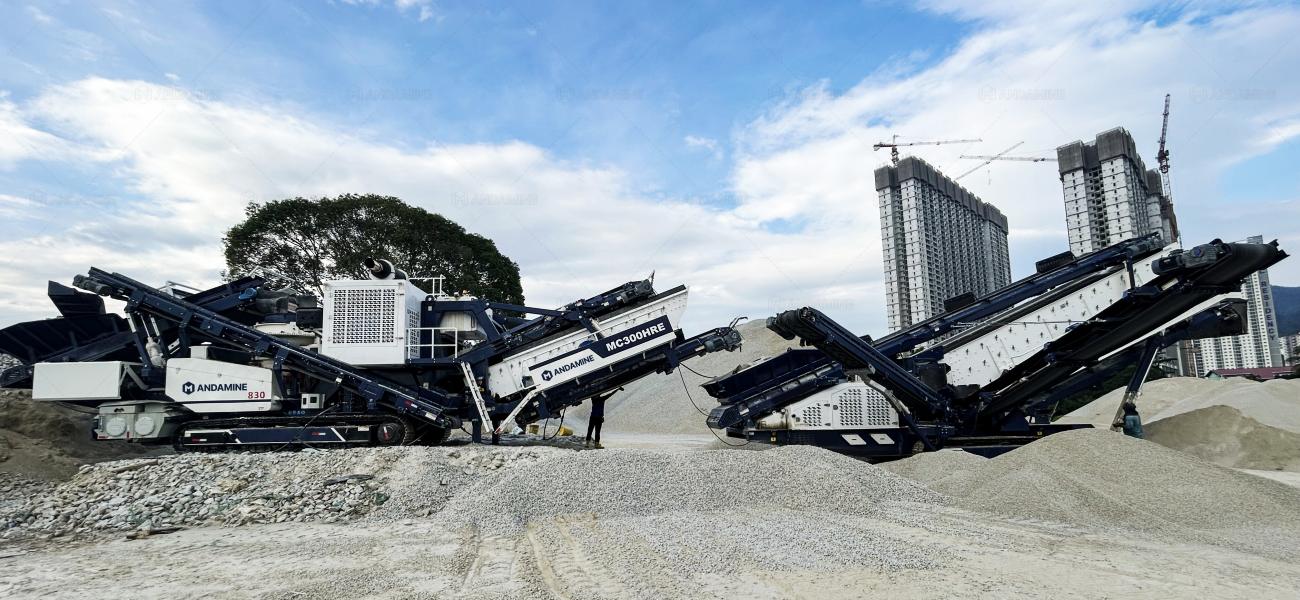
Importance of Maintenance in Mobile Crushing and Screening Plants
Mobile crushing and screening plants operate in harsh environments, processing hard rock, aggregates, and demolition materials. Constant vibration, dust, and heavy loads require regular inspection and servicing. Proper maintenance helps ensure stable production, improved safety, and extended equipment lifespan.
Compared with stationary systems, mobile units are frequently relocated, which increases mechanical stress. Therefore, maintenance routines must be more detailed and consistent to avoid unexpected failures.
Understanding Mobile Crushing Plants Types
Different mobile crushing plants types serve different production stages and require specific maintenance approaches:
Mobile Jaw Crusher Plant
The mobile jaw crusher plant is mainly used for primary crushing. It processes large feed materials such as blasted rock and construction waste. Key maintenance areas include jaw plates, hydraulic systems, and feed components. Regular inspection ensures stable crushing performance and reduces wear-related downtime.
Mobile Cone Crusher Plant
The mobile cone crusher plant is used for secondary and tertiary crushing, producing fine and high-quality aggregates. Maintenance focuses on cone liners, lubrication systems, hydraulic adjustment systems, and eccentric components. Proper lubrication and cooling are essential for stable operation.
Other Mobile Crushing Plants Types
Other configurations include impact crusher plants and mobile screening units. Impact crushers require attention to blow bars and impact plates, while screening plants require regular maintenance of screen meshes and vibration systems.
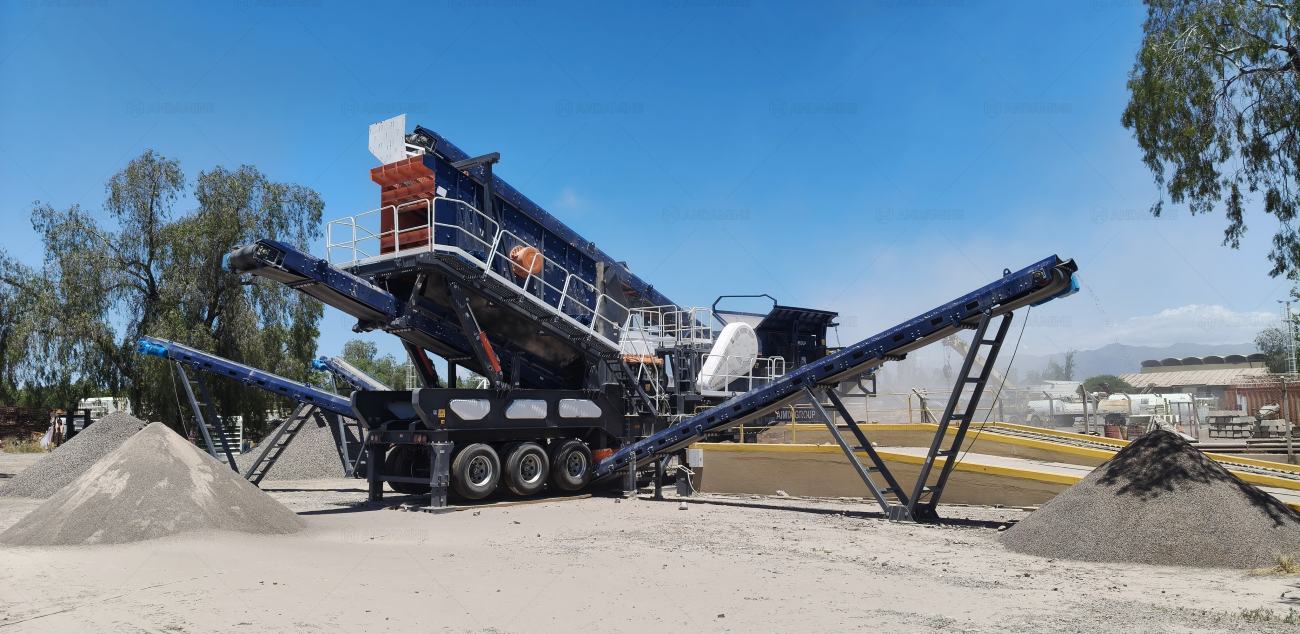
Preventive Maintenance Strategy
Preventive maintenance is the foundation of lifecycle management. Instead of waiting for breakdowns, operators follow scheduled inspections and servicing.
- Daily inspection of wear parts such as jaws, liners, and belts
- Lubrication of bearings and moving components
- Hydraulic system pressure and oil level checks
- Electrical system and sensor monitoring
- Bolt tightening after relocation
For a mobile jaw crusher plant, jaw plate wear must be monitored closely. For a mobile cone crusher plant, lubrication and cooling systems require strict attention to avoid overheating and mechanical failure.
Corrective Maintenance and Troubleshooting
Even with preventive measures, failures can still occur. Corrective maintenance focuses on rapid troubleshooting and repair to minimize downtime.
Common issues include conveyor belt misalignment, hydraulic leakage, excessive vibration, and worn crusher components. Quick response and availability of spare parts are essential to restore production efficiency.
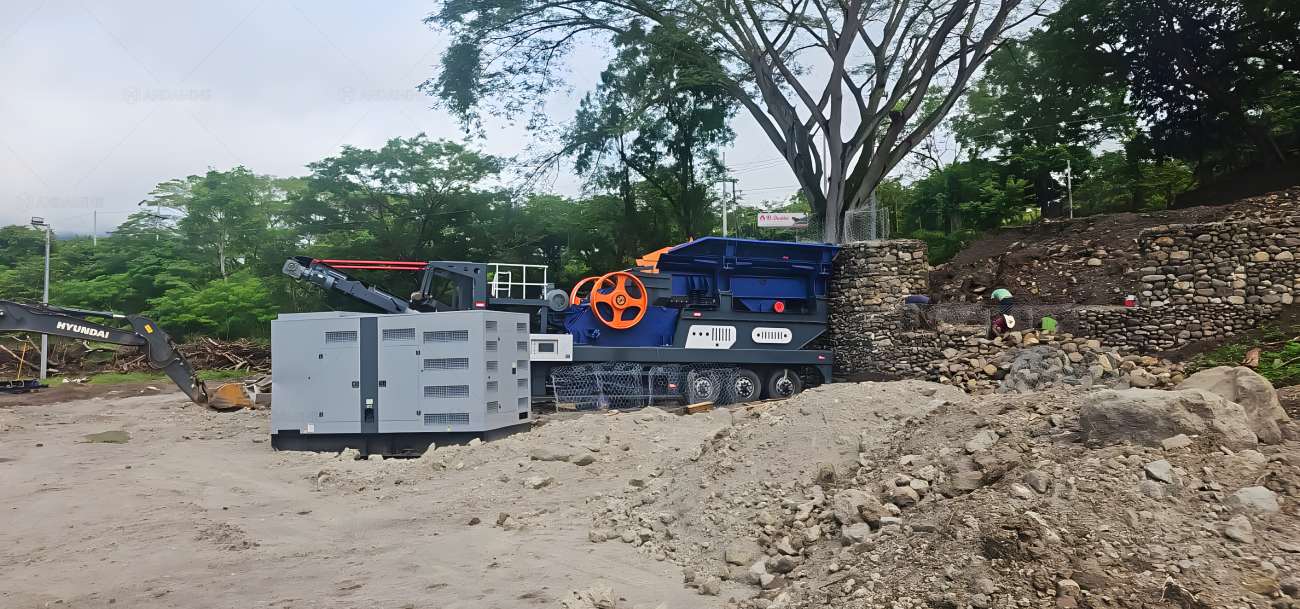
Lifecycle Management of Mobile Crushing and Screening Plants
Lifecycle management covers the entire operational lifespan of equipment—from installation to retirement. A well-planned lifecycle strategy improves performance and reduces total cost of ownership.
Commissioning Phase
Proper installation and calibration ensure that the plant operates at optimal performance from the beginning.
Operational Optimization
Adjusting feed size, crusher settings, and screening configurations helps improve efficiency and reduce wear on key components.
Component Replacement and Upgrades
Wear parts such as jaw plates, cone liners, and belts should be replaced based on condition rather than failure. Scheduled upgrades help maintain productivity.
Mid-Life Overhaul
A major inspection and refurbishment during mid-life can restore performance and extend service life significantly.
End-of-Life Strategy
At the end of its lifecycle, equipment can be refurbished, resold, or dismantled for parts recovery, depending on condition and market demand.
Extending Equipment Lifespan
To maximize lifespan, operators should follow best practices such as proper training, avoiding overloading, maintaining correct feed size, and ensuring clean working conditions. Manufacturer guidelines must always be followed.
For example, overloading a mobile jaw crusher plant can accelerate jaw plate wear, while improper feed in a mobile cone crusher plant can lead to uneven crushing and system stress.
Smart Monitoring and Predictive Maintenance
Modern mobile crushing systems are increasingly equipped with intelligent monitoring technologies. Sensors track vibration, temperature, and operational data in real time. Predictive maintenance allows operators to detect potential failures before they occur, reducing downtime and improving efficiency.
Conclusion
Effective maintenance and lifecycle management are essential for maximizing the performance of mobile crushing and screening plants. Whether using a mobile jaw crusher plant, a mobile cone crusher plant, or other mobile crushing plants types, structured maintenance practices ensure reliability, lower operational costs, and longer equipment life. With the integration of smart monitoring systems, the future of mobile crushing equipment is becoming more efficient, predictable, and sustainable.