Seasonal road construction creates a difficult production challenge for US contractors. A project may need high asphalt output for only a few months. However, the asphalt plant still requires capital, transport, setup, fuel, maintenance, and operating labor. Therefore, choosing a plant only by its maximum capacity can lead to the wrong investment.
A 120 TPH mobile asphalt plant can be a strong option for many seasonal US road projects. It offers meaningful production capacity without the footprint and relocation demands of a large stationary plant. More importantly, its mobile configuration can match projects that move between work zones or operate during short construction seasons.
However, 120 TPH is not automatically the right capacity for every contractor. The better question is whether the plant can match the project’s paving rate, haul distance, working hours, aggregate supply, storage strategy, and seasonal utilization. This article explains how US contractors can evaluate that decision from a practical project perspective.
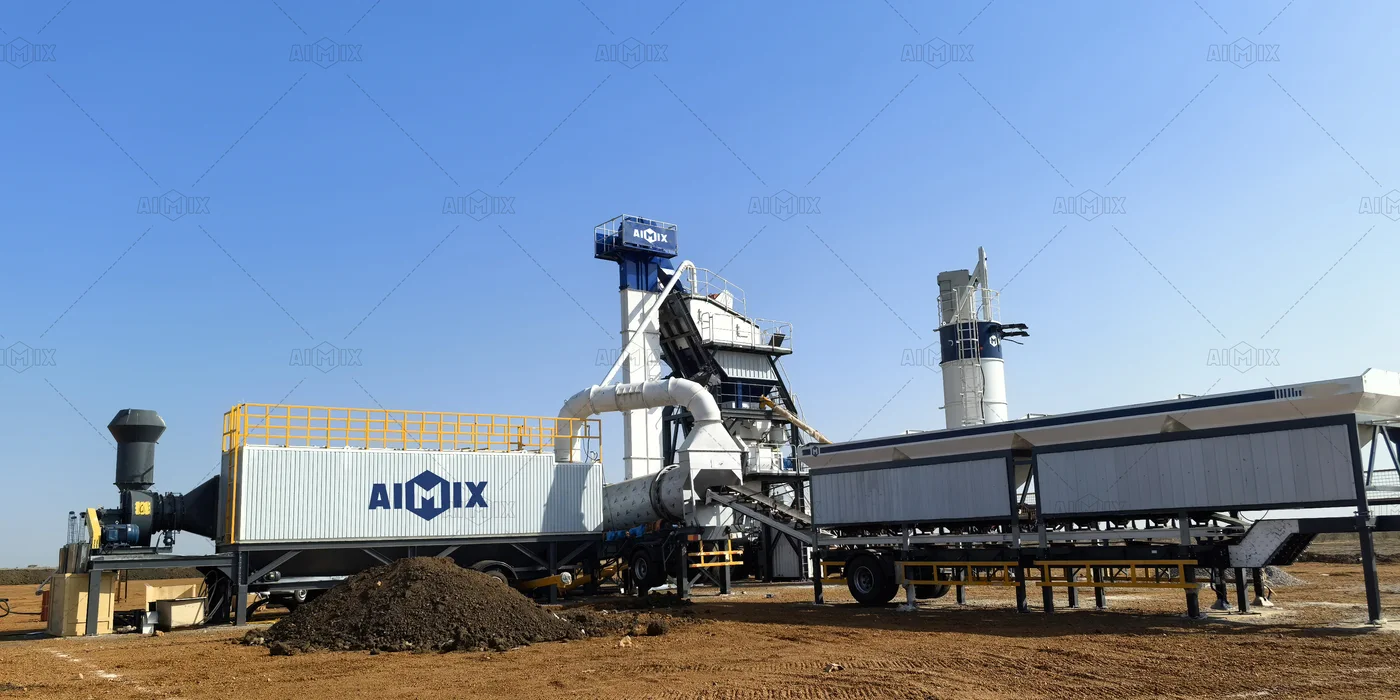
Why Seasonal Road Projects Need A Different Asphalt Plant Strategy
Before selecting equipment, contractors should look at how seasonal projects actually operate. Unlike a long-term highway program, a seasonal project may have a narrow production window. Weather can also reduce the available paving days.
For example, a contractor may work on rural roads, county highways, parking areas, airport access roads, or rehabilitation projects during the warmer months. The crew may then move to another location when the season ends. Consequently, equipment flexibility becomes almost as important as production capacity.
This leads to a key consideration: a plant should produce enough asphalt to keep the paving crew productive, but it should not be oversized without a clear reason.
Production Must Match The Paving Crew
A 120 TPH plant can theoretically produce up to 120 tons of hot mix asphalt per operating hour under suitable conditions. Real production depends on aggregate moisture, mix design, fuel efficiency, plant setup, material supply, and operating conditions.
Therefore, contractors should not plan a project around 120 tons every hour from the first minute of every shift. Instead, they should use the rated capacity as a planning reference and calculate a realistic operating output.
Suppose a contractor achieves an average production rate of 100 tons per hour during an eight-hour production shift. The theoretical daily output would be about 800 tons. Actual daily production may be lower because of startup, shutdown, material changes, maintenance, truck coordination, and paving interruptions.
This distinction matters because asphalt production and asphalt placement must work together. Producing more mix does not create value if trucks cannot transport it or the paving crew cannot place it.
With that principle in mind, the next step is to evaluate whether 120 TPH fits the project’s actual asphalt demand.
How Much Asphalt Can A 120 TPH Plant Produce?
Production planning should start with the required tonnage rather than the plant model. Contractors can estimate the required hourly production from the daily paving target.
For example, a project requiring approximately 600 tons of asphalt per day does not necessarily need a 120 TPH plant running continuously. A lower-capacity plant may meet the target if the schedule allows longer production hours.
On the other hand, a contractor targeting 800 to 1,000 tons per day may benefit from the additional production margin of a 120 TPH plant.
| Daily Asphalt Target | Average Production Needed Over 8 Hours | 120 TPH Plant Fit |
|---|---|---|
| 400 tons/day | 50 TPH | High production margin |
| 600 tons/day | 75 TPH | Strong fit |
| 800 tons/day | 100 TPH | Strong fit |
| 1,000 tons/day | 125 TPH | Near or above rated capacity |
These figures are planning examples rather than guaranteed output. Contractors should account for real operating conditions and production interruptions before making a final selection.
Importantly, a 120 TPH plant can provide useful production headroom. That headroom can help when a paving crew needs to accelerate production during favorable weather windows.
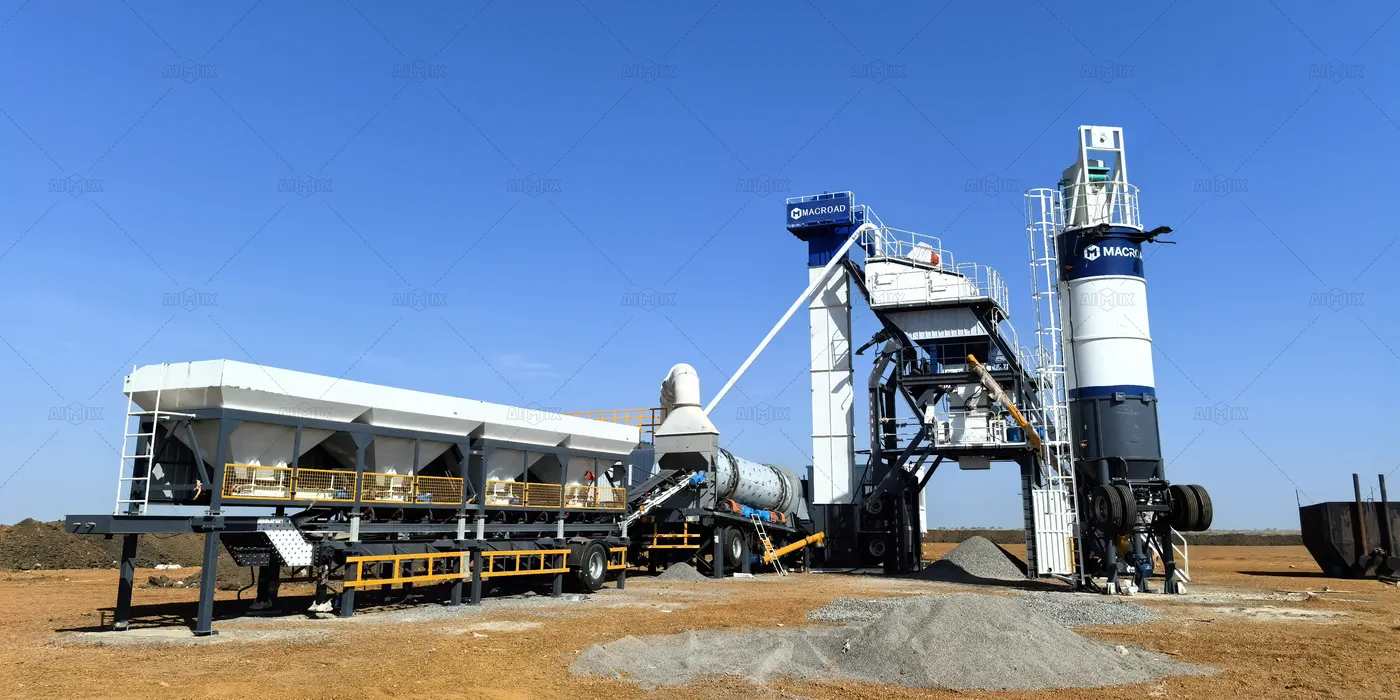
When Is A 120 TPH Mobile Asphalt Plant A Good Fit?
The strongest case for a 120 TPH mobile asphalt plant appears when several project conditions occur together. The contractor needs substantial asphalt output, the project has a limited duration, and the plant may need to move after the work ends.
This combination is common in seasonal road construction. It can also appear in regional paving contracts where one contractor serves several project locations.
Seasonal Highway And County Road Work
Highway rehabilitation often requires concentrated production during a limited construction period. A mobile plant can support this model because the contractor can establish production closer to the active work area.
Reducing the distance between the plant and paving site can improve truck utilization. It may also reduce the risk of long haul cycles disrupting paving operations.
Rural Road Construction
Rural projects can create a different logistics challenge. The nearest commercial asphalt source may be far from the jobsite. Long trucking distances can increase delivery time and make continuous paving more difficult.
A mobile asphalt mix plant can allow contractors to consider temporary production closer to the project. This approach can become especially useful when the project requires hundreds of tons of asphalt each day.
Airport And Industrial Access Roads
Airport access roads, industrial roads, and large parking areas can require concentrated asphalt production. These projects often have strict construction schedules.
A 120 TPH plant can provide enough production capacity for medium-scale paving programs while remaining more flexible than a large permanent installation.
Multiple Projects Within One Region
Mobile equipment becomes even more attractive when one plant can serve several nearby projects. Instead of investing in separate production facilities, a contractor can potentially relocate the plant as the project pipeline changes.
However, relocation only creates value when the distance, setup time, permits, and transport costs remain reasonable. Contractors should calculate these costs before assuming mobility will reduce total project expenses.
These applications show why plant capacity alone does not determine suitability. The next question is how mobility affects the overall project economics.
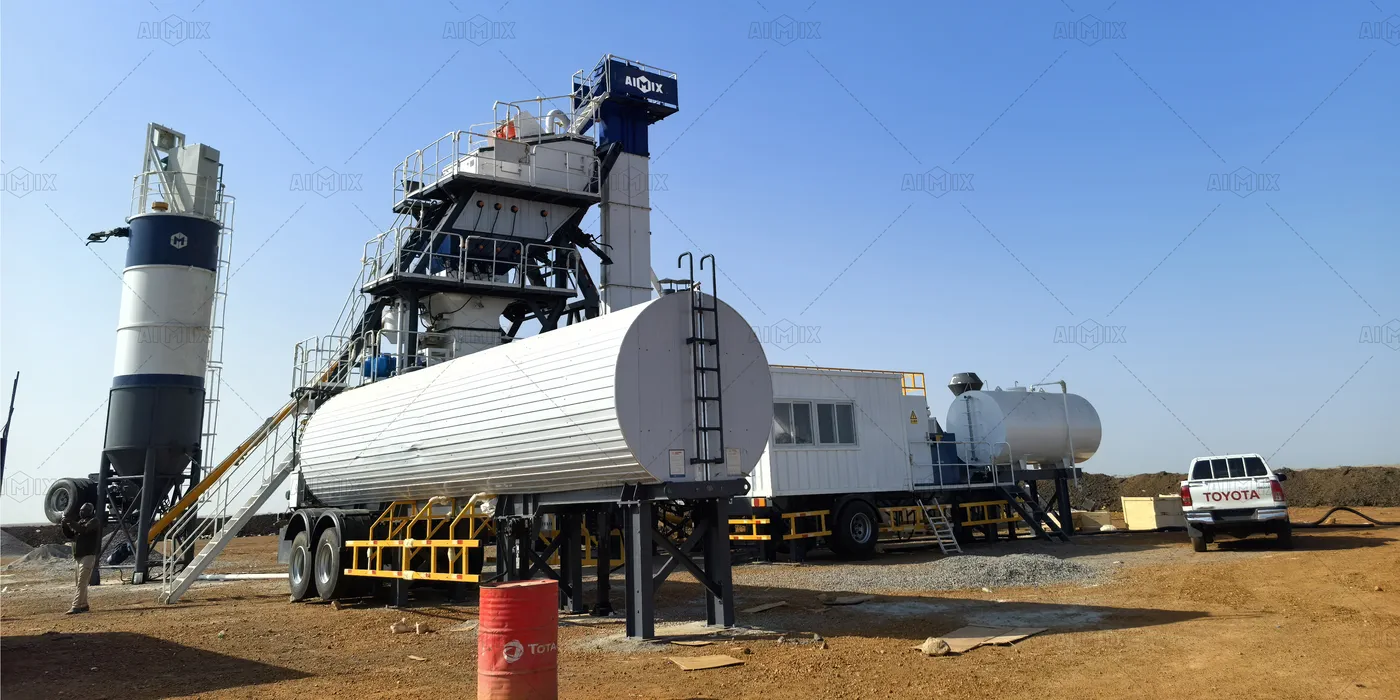
Why Mobility Matters For Seasonal US Contractors
A stationary asphalt plant can make sense when production continues at one location for many years. Seasonal contractors often face a different business model.
The plant may need to follow the work. Therefore, the ability to relocate equipment can become a major part of the investment calculation.
A mobile configuration can offer several practical advantages:
- It can support temporary project locations.
- It can reduce dependence on a distant commercial asphalt supplier.
- It can serve different projects during different construction seasons.
- It can help contractors plan production closer to selected jobsites.
- It can provide more flexibility when the project pipeline changes.
Nevertheless, mobile does not mean instant relocation. Contractors still need to consider transportation, site preparation, utility connections, permits, environmental requirements, and commissioning.
Consequently, the correct comparison is not simply “mobile versus stationary.” The better comparison is total project cost and operational flexibility over the expected service life of the plant.
How Haul Distance Can Change The Decision
Asphalt is time-sensitive during delivery. The mix must reach the paving site within the project’s required temperature and quality conditions. Long haul distances can complicate scheduling.
For this reason, plant location should be evaluated together with truck cycle time.
Consider a project located far from an existing asphalt supplier. The contractor may need many trucks to maintain continuous delivery. If truck availability becomes limited, the paving crew may wait for material.
A temporary mobile plant closer to the project could change the logistics calculation. Shorter truck cycles may allow the same fleet to make more deliveries during a shift.
However, this benefit depends on the actual distance, road conditions, traffic, truck capacity, production rate, and project layout. Contractors should calculate the complete trucking cycle instead of assuming that a mobile plant will automatically reduce costs.
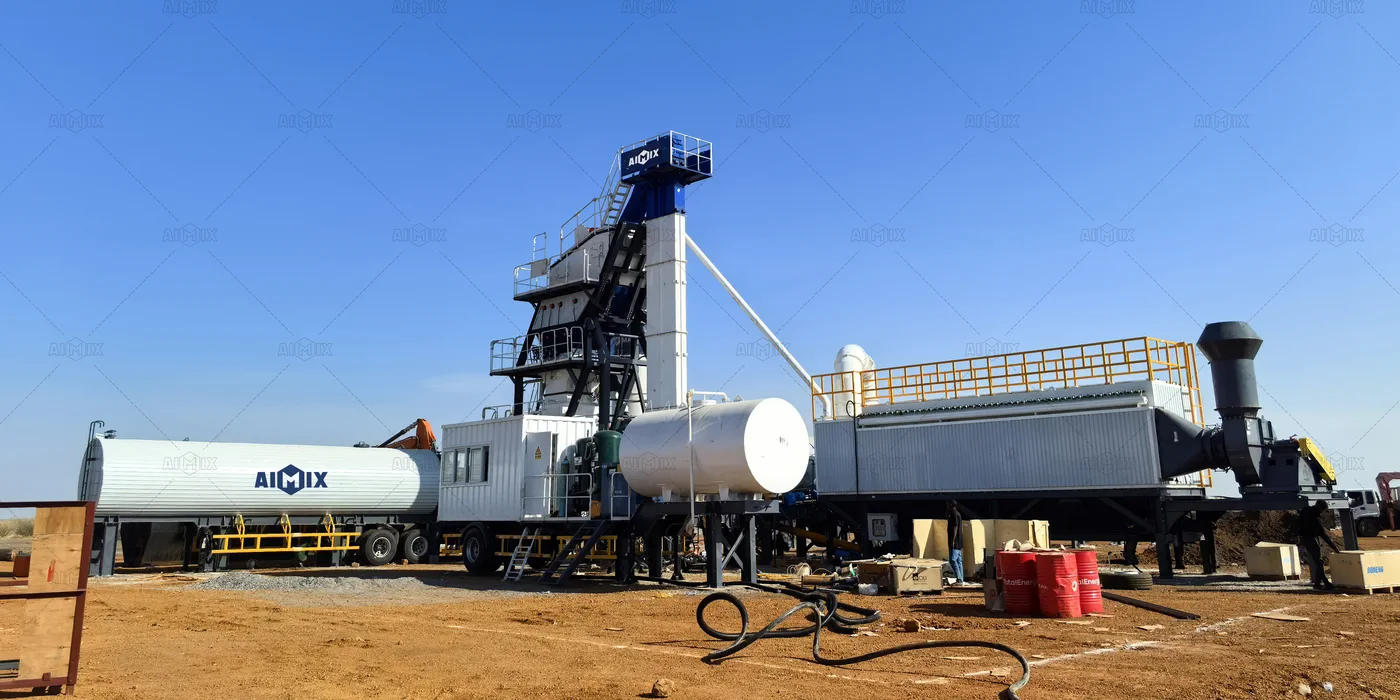
What Should Contractors Check Before Buying A 120 TPH Plant?
Once 120 TPH appears suitable from a production perspective, contractors should examine the plant configuration. The rated capacity is only one part of the system.
Check Aggregate Moisture
Aggregate moisture directly affects drying and heating requirements. Wet aggregates require more thermal energy and can reduce practical production efficiency.
This factor matters in regions where seasonal weather creates significant moisture variation. Contractors should provide local aggregate and climate information when discussing plant selection.
Check Fuel And Burner Requirements
Fuel consumption depends on aggregate moisture, production rate, fuel type, ambient conditions, and plant design. Therefore, contractors should compare expected fuel use under their own operating conditions.
A plant with good thermal efficiency can have a meaningful effect on long-term operating costs, especially when production reaches hundreds of tons per day.
Check Cold Aggregate Feeding
The cold feed system must support the required mix design and production rate. Sufficient bin capacity can also help maintain continuous aggregate feeding.
Contractors should confirm how many aggregate fractions the planned asphalt mixes require. This decision can influence the number and size of cold feed bins.
Check Screening And Mixing Configuration
For batch production, accurate screening and weighing help maintain consistent mix proportions. The mixing system should also match the required batch size and production target.
Contractors should consider the asphalt mixes they expect to produce rather than selecting equipment only from a capacity table.
If the project requires tighter control over aggregate gradation and mix proportions, asphalt batching plants may be worth evaluating alongside mobile configurations.
Check Bitumen Storage And Heating
Bitumen supply must keep pace with asphalt production. Storage capacity should reflect the project’s delivery schedule and local supply conditions.
Insufficient bitumen storage can create unnecessary interruptions even when the aggregate system has enough capacity.
Check Dust Collection And Environmental Requirements
US projects can involve specific environmental and permitting requirements. These requirements vary by location and project conditions.
Therefore, contractors should confirm applicable requirements with the relevant state and local authorities before purchasing or installing an asphalt plant.
How Should A Contractor Estimate The Required Plant Capacity?
A practical calculation starts with four numbers: daily asphalt demand, paving hours, truck delivery capacity, and expected plant utilization.
For example, assume a contractor expects to place 700 tons per day. If the paving operation has an eight-hour effective production window, the average required rate is about 87.5 TPH.
A 120 TPH plant would provide production margin above that average requirement. That margin can help absorb normal interruptions and support higher output during critical paving windows.
However, the contractor should then check whether the trucking system can move 700 tons per day. If trucks cannot deliver the mix fast enough, increasing plant capacity will not solve the actual bottleneck.
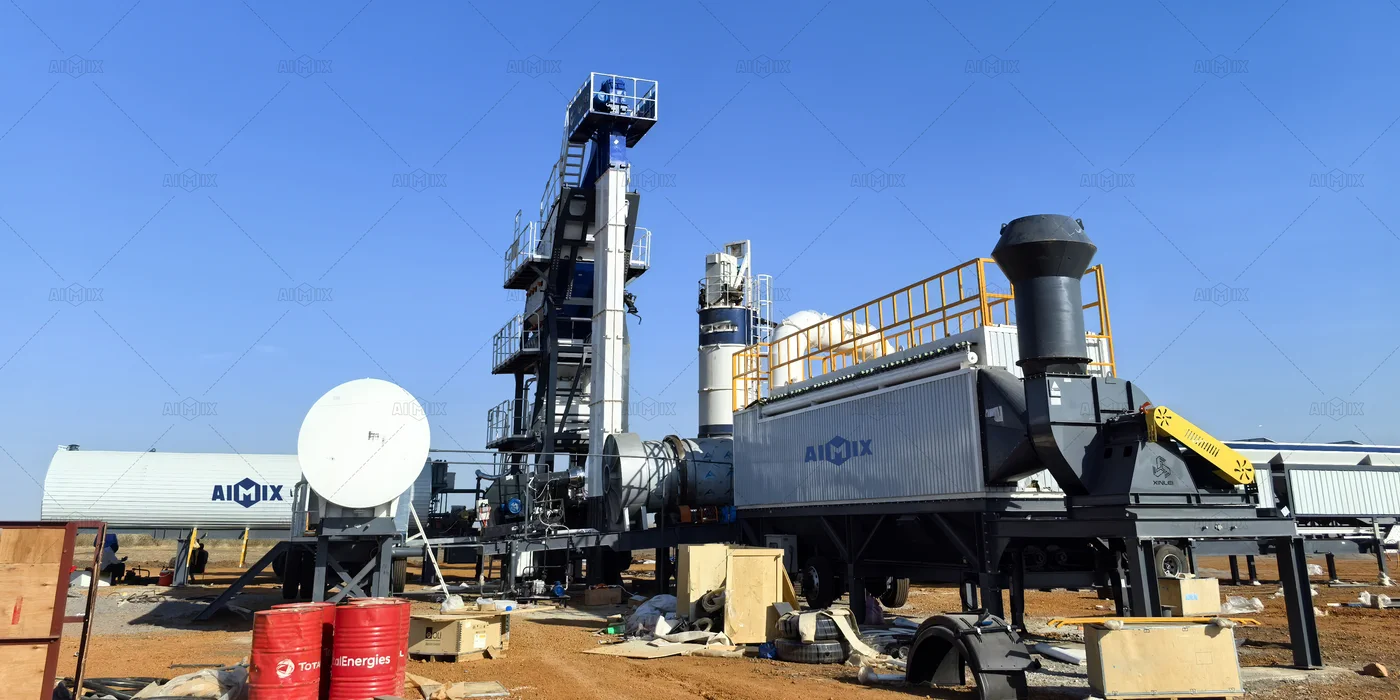
This is why a complete asphalt production plan should connect the plant, trucks, storage, paving equipment, crew, and aggregate supply.
120 TPH Versus A Larger Mobile Asphalt Plant
Some contractors may consider moving directly to a larger plant. That decision can make sense when annual production is high and multiple projects can keep the plant busy.
However, larger capacity also increases the importance of material supply, trucking, storage, site infrastructure, and utilization.
| Project Condition | 120 TPH Mobile Plant | Larger Mobile Plant |
|---|---|---|
| 600–800 tons/day | Generally suitable | May provide excess capacity |
| 800–1,000 tons/day | Potentially suitable with strong logistics | More production margin |
| Several projects per season | Good flexibility | Good if utilization stays high |
| Small paving crews | Often easier to match | May be oversized |
| High annual production | May become limiting | Potentially better fit |
The best choice therefore depends on utilization, not simply maximum output. A smaller plant running efficiently can make more business sense than a larger plant operating below its practical capacity.
When Might A 120 TPH Mobile Plant Not Be The Best Choice?
A 120 TPH mobile plant may not suit every seasonal contractor. For example, a contractor with a very small paving program may not use enough production capacity to justify the investment.
Similarly, a contractor working at one permanent site for many years may benefit more from a stationary configuration.
A 120 TPH plant may also be insufficient when a project consistently requires more than its practical production range. In that case, the contractor should consider a larger plant or another production strategy.
Moreover, mobility may not provide enough value if the plant rarely moves. In that situation, the contractor should compare the mobile configuration with a stationary plant based on installation, operating, and long-term utilization costs.
For contractors evaluating equipment for the US market, an asphalt plant for sale in usa should be assessed according to the specific project, state requirements, logistics, and service needs rather than price alone.
Therefore, the right decision depends on the contractor’s project pipeline rather than a universal rule.
What Does The Total Investment Really Include?
Plant purchase price is only one part of the investment. Seasonal US contractors should also consider transportation, site preparation, installation, electrical systems, fuel systems, storage, permits, labor, spare parts, maintenance, and potential relocation.
Operating costs also deserve attention. Fuel, aggregate handling, bitumen heating, labor, maintenance, and trucking can strongly influence the cost per ton.
For a seasonal project, utilization is especially important. If a plant operates only a few months each year, the contractor should evaluate how the equipment will generate value during the rest of the year.
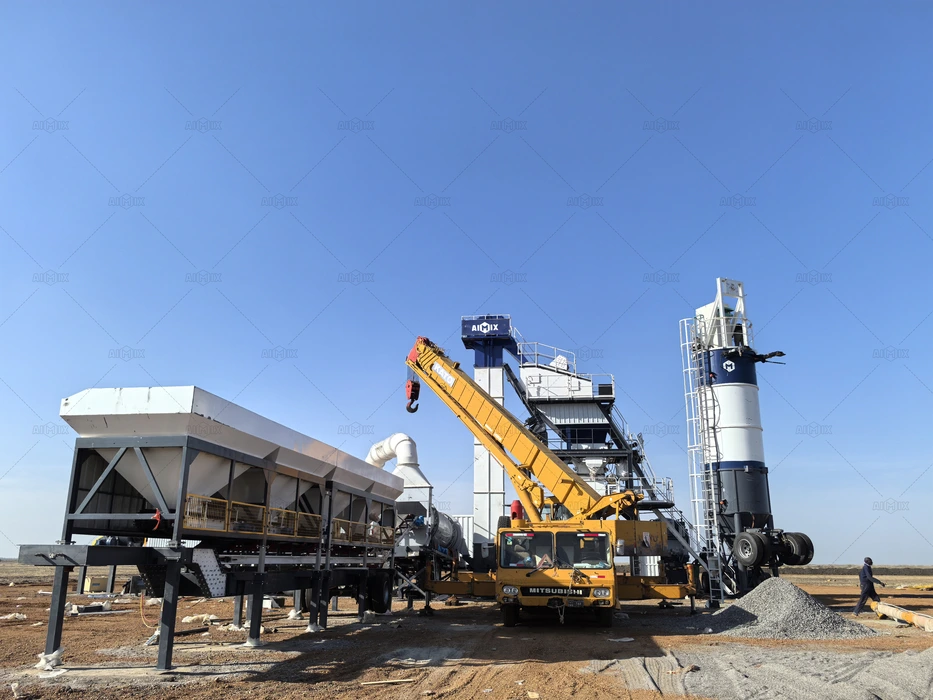
This is where a multi-project strategy can improve the investment case. A contractor may use the same mobile plant for several road projects instead of treating each season as a separate investment.
How Can Contractors Improve The ROI Of A 120 TPH Mobile Plant?
The first step is to maintain high utilization during the active season. A detailed project schedule can help reduce idle production time.
Second, contractors should coordinate plant production with paving and trucking. The plant should not run far ahead of the paving crew without sufficient storage or delivery capacity.
Third, contractors should secure aggregate and bitumen supplies before peak production begins. Material shortages can quickly reduce utilization.
Fourth, preventive maintenance should be planned around the construction schedule. A short planned maintenance period can be easier to manage than an unexpected production shutdown during a critical paving window.
Finally, contractors should consider future projects when selecting the plant. A plant that fits one project may create more value if it also matches the next three or four projects.
So, Is A 120 TPH Mobile Asphalt Plant Suitable For Seasonal US Road Projects?
In many cases, yes. A 120 TPH mobile asphalt plant can be a practical capacity for seasonal US road contractors that need medium-to-high asphalt production and project flexibility.
It is especially worth considering when daily demand falls roughly within the 600–1,000 ton range, depending on actual operating hours and plant utilization. It can also make sense when projects are spread across different locations and the contractor wants to reduce dependence on distant asphalt suppliers.
However, contractors should not choose the plant simply because “120 TPH” sounds sufficient. The final decision should connect production demand with trucking, aggregate moisture, mix design, paving speed, haul distance, project duration, permits, and annual utilization.
In practical terms, the best plant is the one that keeps the paving crew supplied without creating unnecessary production capacity or logistics costs.
Plan Your Asphalt Production Around Your Actual Project
If you are planning a seasonal road project in the US, start with your expected tons per day rather than a plant model. Then calculate your paving hours, truck cycles, material supply, project duration, and expected annual utilization.
A 120 TPH mobile asphalt plant can offer a useful balance between production capacity and mobility. Yet the right configuration should reflect your actual project conditions.
For smaller or highly localized construction tasks, contractors may also compare compact equipment options. A portable asphalt mixing plant can be considered when the required output is much lower than a 120 TPH project and portability is the primary concern.
Share your expected daily asphalt demand, project location, paving schedule, aggregate type, and estimated haul distance with an experienced asphalt plant supplier. A project-specific assessment can help you determine whether 120 TPH is enough, whether additional features are needed, or whether a different capacity would provide better long-term value.
For seasonal road construction, the goal is not simply to buy a high-capacity asphalt plant. The goal is to build a production system that keeps trucks moving, keeps the paver supplied, controls operating costs, and supports your next project after the current season ends.
Ready to evaluate a 120 TPH mobile asphalt plant for your next US road project? Start with your actual production target, logistics, and seasonal schedule, then select the configuration that fits the entire project—not just the plant capacity.