Nigeria is experiencing continuous growth in road infrastructure development. From federal highways and urban transportation networks to industrial roads and mining access routes, the demand for high-quality asphalt pavement continues to increase.
For Nigerian road construction companies, selecting the right asphalt plant capacity is a critical business decision. The correct capacity helps contractors maintain construction schedules, control operating costs, and improve project profitability. However, choosing a plant only based on the lowest investment cost may create production problems in the future.
A plant with insufficient capacity may delay paving operations because asphalt production cannot match project demand. Meanwhile, an oversized plant may increase investment pressure and create unnecessary idle capacity. Therefore, contractors need to evaluate project scale, daily asphalt consumption, transportation conditions, and future development plans before selecting equipment.
This article explains how Nigerian construction companies can choose the most suitable asphalt plant capacity according to different project requirements, construction environments, and business goals.

Why Asphalt Plant Capacity Is Important For Nigerian Road Construction
Before selecting an asphalt plant, contractors should understand why production capacity matters. Asphalt plant capacity refers to the maximum amount of hot mix asphalt produced per hour under standard operating conditions.
Common asphalt plant capacities include 40 TPH, 60 TPH, 80 TPH, 100 TPH, 120 TPH, 160 TPH, and higher production models. Each capacity range serves different construction requirements.
For example, a small contractor repairing local roads does not need the same production capacity as a company building national highways. Similarly, a contractor working in remote areas may require a different solution compared with companies operating in major cities such as Lagos, Abuja, or Port Harcourt.
Therefore, capacity selection should always start from the actual project demand rather than simply choosing the largest available model.
Key Factors To Consider When Choosing Asphalt Plant Capacity In Nigeria
Although production output is the main consideration, several other factors influence the final decision. Nigerian contractors should analyze the complete construction situation before investing.
1. Project Scale And Daily Asphalt Requirement
The first step is calculating how much asphalt mixture the project requires every day.
Small road projects usually consume less asphalt. These projects may include residential roads, local government roads, parking areas, and maintenance works. In these situations, a compact asphalt plant with 40-80 TPH capacity can usually provide enough production.
However, large infrastructure projects require continuous asphalt supply. Highway construction, airport pavement, and major urban road projects may require 100 TPH or higher production capacity to maintain progress.
| Nigeria Project Type | Recommended Asphalt Plant Capacity | Main Application |
|---|---|---|
| Small Road Projects | 40-60 TPH | Municipal roads, village roads, repair projects |
| Medium Construction Projects | 60-120 TPH | Regional highways, industrial roads, city roads |
| Large Infrastructure Projects | 120-200+ TPH | Expressways, airports, major government projects |
2. Construction Schedule And Production Efficiency
Project deadlines directly affect asphalt plant selection. A contractor with a strict completion schedule needs enough production capacity to avoid paving interruptions.
For instance, if a highway project requires thousands of tons of asphalt every day, a small plant may need extended working hours to achieve the target. This situation can increase fuel consumption, labor costs, and equipment pressure.
In contrast, a properly sized asphalt plant can maintain stable production and allow paving teams to work more efficiently. As a result, contractors can complete projects faster and improve customer satisfaction.
3. Construction Location And Transportation Distance
Nigeria has different geographical and economic regions. Construction conditions vary significantly between coastal cities, northern regions, and remote project locations.
Transportation distance between the asphalt production site and paving area influences project costs. When asphalt must travel long distances, temperature control and delivery efficiency become important factors.
For remote projects, contractors may consider installing equipment closer to the construction site. A suitable plant capacity combined with proper site planning can reduce transportation challenges.
For companies searching for equipment solutions locally, selecting a reliable asphalt plant for sale in nigeria supplier can help obtain suitable configurations based on local project conditions.
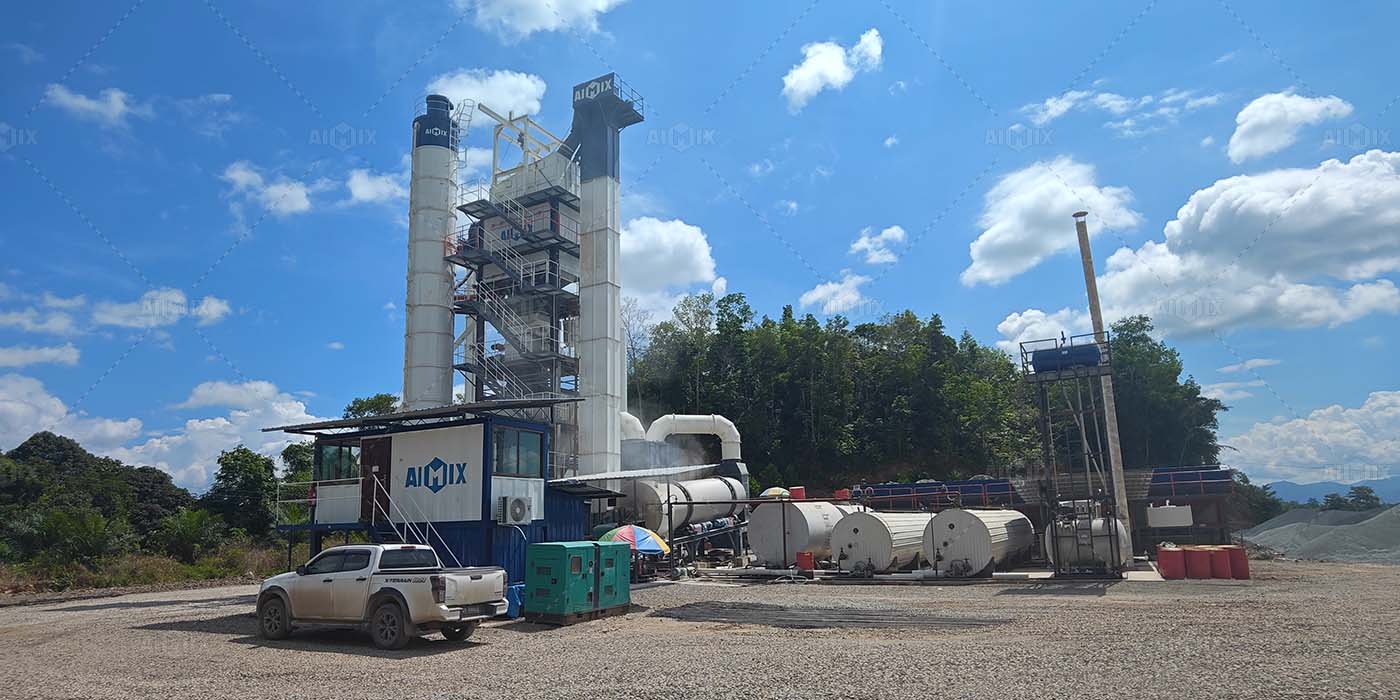
Recommended Asphalt Plant Capacities For Different Nigerian Contractors
Different contractors have different project scales, investment abilities, and future development plans. Therefore, the recommended asphalt plant capacity should match the company’s business model.
A small contractor focusing on local road projects has different requirements from a large infrastructure company handling highways. The following capacity recommendations provide practical guidance for Nigerian construction businesses.
40-80 TPH Asphalt Plant For Small And Medium Contractors
A 40-80 TPH asphalt plant is suitable for contractors working on small and medium-scale projects.
Typical applications include municipal road construction, residential area roads, parking facilities, and repair projects. These projects usually require flexible production rather than extremely high output.
The main advantages of this capacity range include easier transportation, simpler operation, and lower resource requirements. For companies entering the asphalt production business, this range provides a practical solution.
For example, a contractor completing several urban road improvement projects may achieve excellent results with an 80 TPH plant instead of investing in a much larger system.
100-160 TPH Asphalt Plant For Growing Construction Companies
For contractors handling regional highways, commercial roads, and government infrastructure projects, 100-160 TPH asphalt plants are often a balanced choice.
This capacity range provides stronger production capability while maintaining operational flexibility. It allows companies to accept larger contracts and improve equipment utilization throughout the year.
Furthermore, growing construction companies should consider future expansion. A plant that supports current projects while allowing future business growth can provide better long-term value.
180-320 TPH Asphalt Plant For Large Infrastructure Contractors
Large Nigerian construction companies involved in highways, airports, and national infrastructure programs usually require higher production capacity. These projects often demand thousands of tons of asphalt mixture every day and require continuous operation.
For this type of application, a 180-320 TPH asphalt plant can provide the production capability needed for large paving operations. It helps contractors maintain consistent asphalt supply and reduce delays caused by insufficient output.
However, high-capacity equipment requires professional management. Contractors should evaluate aggregate supply, storage capacity, maintenance capability, and project duration before making a final investment decision.
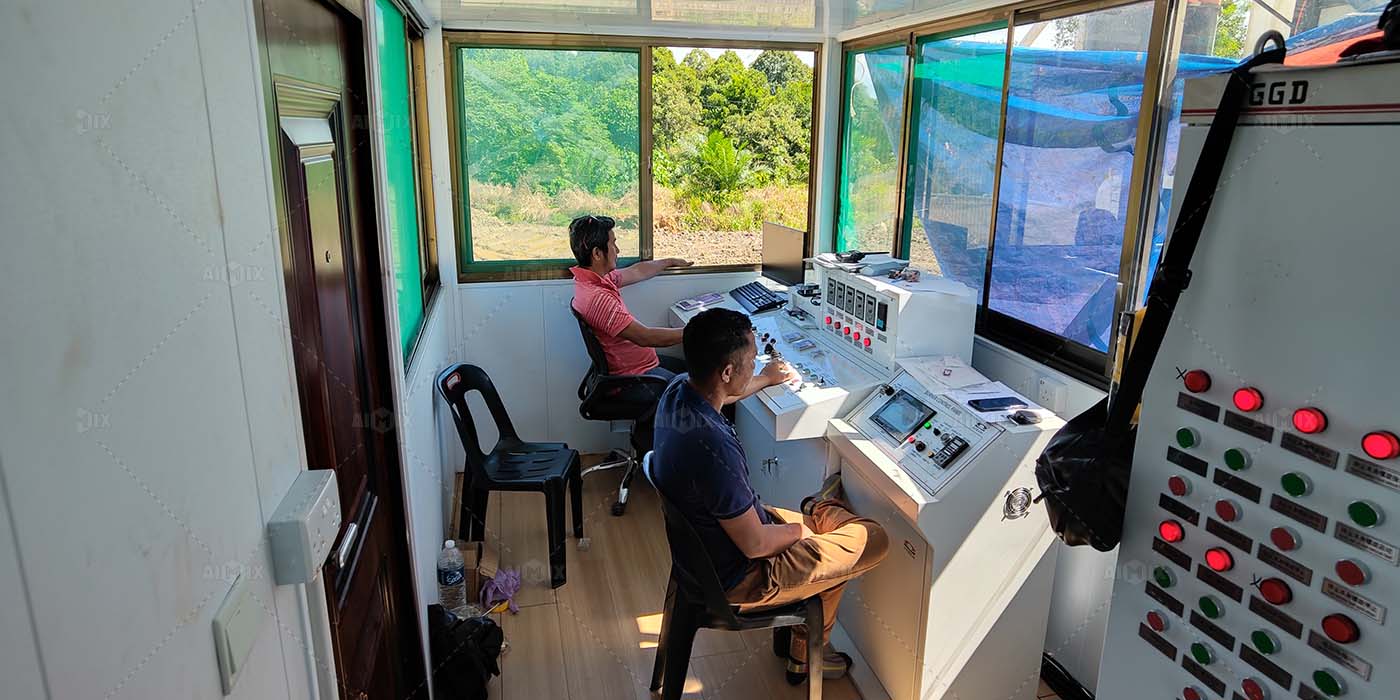
How Asphalt Plant Type Influences Capacity Selection In Nigeria
After determining the required production capacity, Nigerian contractors should also consider the asphalt plant type. Different asphalt production technologies provide different advantages depending on project requirements.
Capacity alone does not determine project success. The mixing method, mobility, material requirements, and operating environment also influence the final equipment choice.
Batch Mix Asphalt Plant For Projects Requiring High Quality Control
For many Nigerian road construction companies, batch mix asphalt plants are a popular choice because they provide accurate mixing control and consistent asphalt quality.
Batch production allows operators to adjust asphalt formulas according to different project specifications. This advantage is especially important for highways, airport pavement, and government infrastructure projects that require strict quality standards.
Furthermore, batch plants can produce different asphalt mixtures according to changing project requirements. Therefore, they provide strong flexibility for contractors handling multiple types of road construction projects.
Drum Mix Asphalt Plant For Continuous Large-Volume Production
A drum mix asphalt plant focuses on continuous production. It is suitable for projects that require a stable supply of similar asphalt mixtures over a long construction period.
For example, large road projects with consistent pavement requirements may benefit from continuous asphalt production. These plants can support efficient material flow and reduce production interruptions.
However, contractors should evaluate project specifications before choosing this option. Different road projects have different requirements for asphalt quality control and mixture flexibility.
Companies looking for continuous asphalt production solutions can consider a suitable drum mix asphalt plant according to their project scale and production goals.
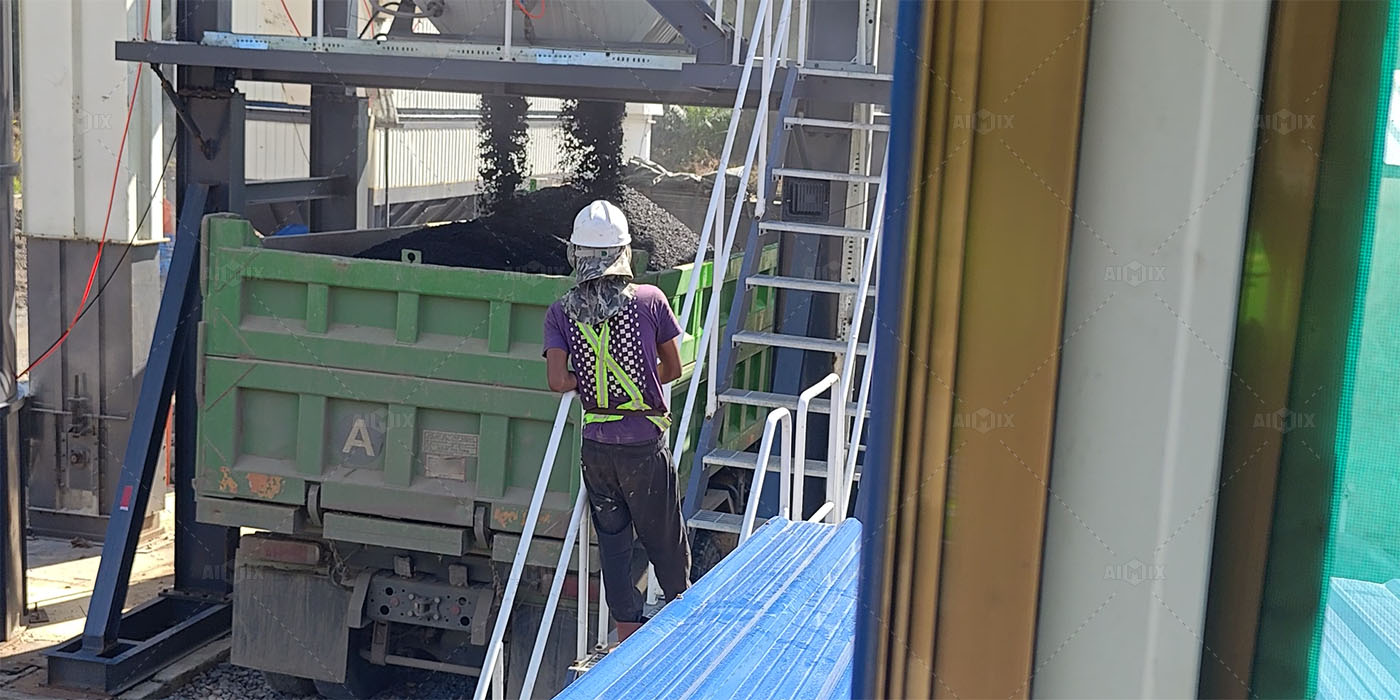
Why Small Asphalt Plants Are Still Valuable For Nigerian Contractors
Large projects often attract attention, but small asphalt plants also play an important role in Nigeria’s growing construction market.
Many contractors work on local roads, private developments, industrial areas, and maintenance projects. These applications do not always require extremely high production capacity.
A compact asphalt solution can provide several advantages. It usually requires less installation space, easier transportation, and simpler operation. Therefore, it is suitable for companies that need flexible production close to construction sites.
For contractors starting asphalt production or serving multiple small projects, choosing a properly configured small asphalt plant can improve project flexibility and reduce unnecessary investment pressure.
How Nigerian Contractors Can Calculate The Right Asphalt Plant Capacity
Selecting asphalt plant capacity requires practical calculation rather than guesswork. Contractors should estimate production demand according to real construction conditions.
Calculate Daily Asphalt Consumption
The first step is determining the total asphalt volume required per day. Contractors should consider road length, pavement width, asphalt thickness, and working hours.
For example, a project requiring 800 tons of asphalt daily needs a different plant capacity compared with a project requiring 2,500 tons per day.
Accurate calculation helps companies avoid production shortages and improves equipment efficiency.
Consider Working Hours And Actual Output Efficiency
Theoretical plant capacity is usually based on ideal conditions. However, real production depends on material supply, operator experience, maintenance, and weather conditions.
Therefore, contractors should leave reasonable production margin when selecting equipment. A plant operating near maximum capacity every day may experience more pressure and require more frequent maintenance.
Evaluate Future Projects And Business Growth
An asphalt plant is a long-term investment. Nigerian contractors should consider future opportunities instead of focusing only on one current project.
If a company plans to participate in larger highway projects or expand its service area, selecting a slightly higher capacity plant may create more business opportunities.
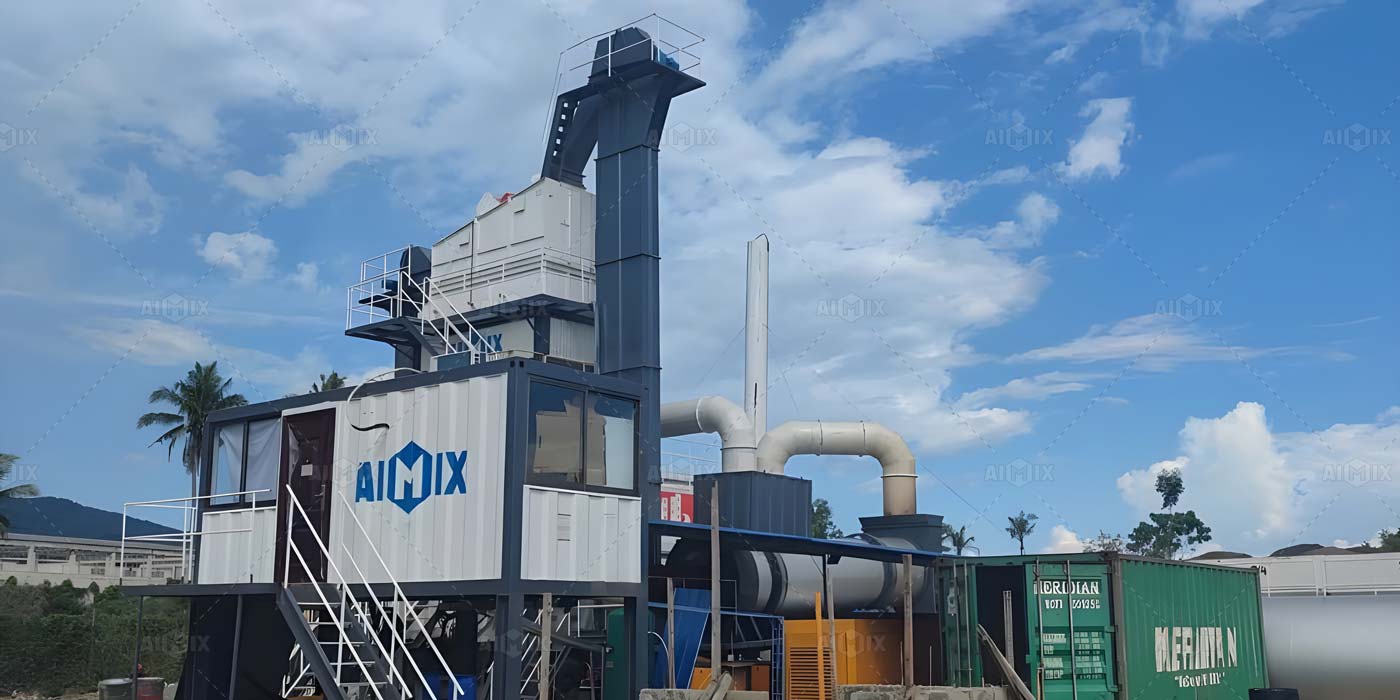
Common Mistakes Nigerian Companies Should Avoid When Choosing Asphalt Plant Capacity
Although capacity selection seems simple, many contractors make mistakes during the investment process. Understanding these problems can help companies make better decisions.
Choosing Capacity Only Based On Purchase Price
Some contractors select smaller plants because the initial investment is lower. However, insufficient production capacity may increase long-term operating costs.
Project delays, additional labor hours, and transportation problems can reduce overall profitability. Therefore, companies should evaluate total project value instead of only equipment price.
Ignoring Local Material And Supply Conditions
Asphalt production depends on stable aggregate and asphalt material supply. Contractors should consider local quarry resources, transportation routes, and storage requirements.
A properly matched asphalt plant configuration can improve production stability and reduce unexpected interruptions.
Selecting Equipment Without Considering Technical Support
Reliable technical support is essential for continuous road construction. Installation guidance, operator training, spare parts availability, and maintenance services all influence equipment performance.
Therefore, contractors should select suppliers that understand local construction conditions and can provide long-term support.
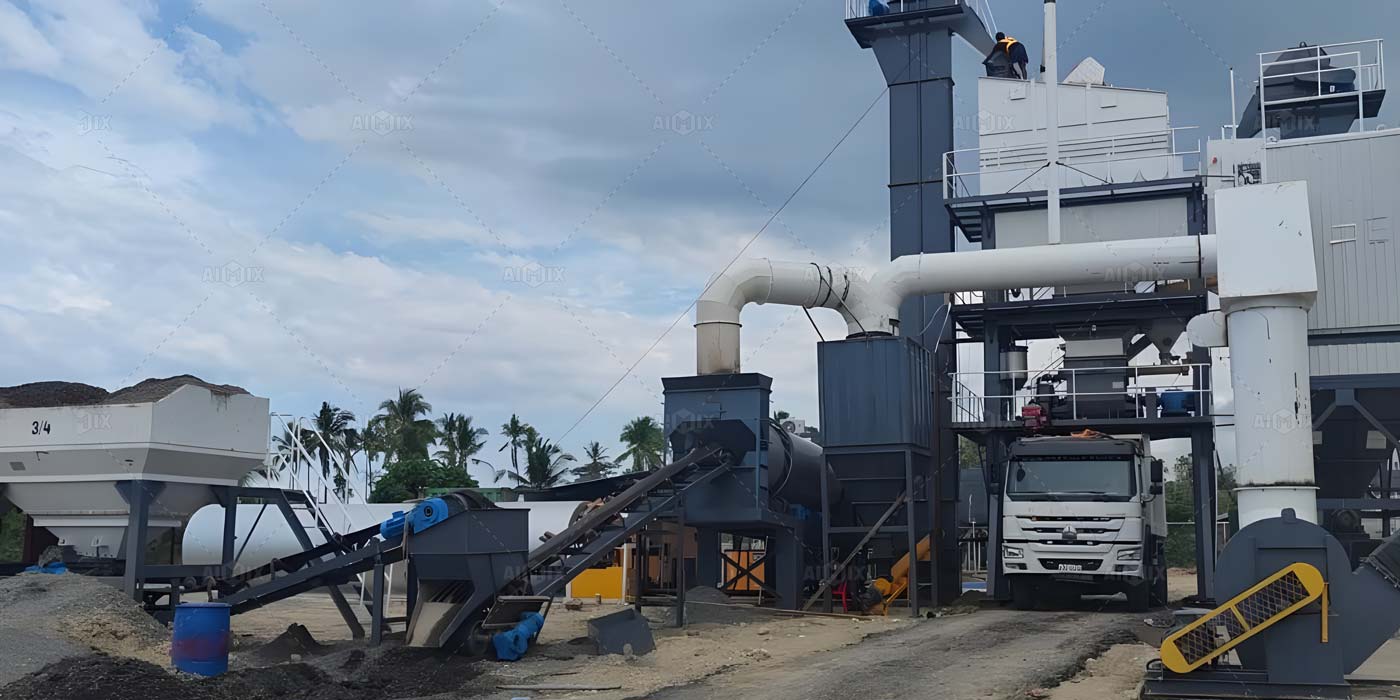
How The Right Asphalt Plant Capacity Creates More Business Opportunities
The correct asphalt plant capacity does more than complete current projects. It helps construction companies build stronger competitiveness in the Nigerian market.
With suitable production capability, contractors can respond faster to project demands, improve asphalt quality, and manage construction schedules more effectively.
Moreover, owning the right asphalt production equipment allows companies to reduce dependence on external asphalt suppliers. This can provide better control over project costs and delivery schedules.
For companies searching for asphalt production equipment options, choosing a professional aggregate asphalt plant near me solution can help match equipment selection with local project requirements.
Choose The Right Asphalt Plant Capacity For Your Nigeria Road Projects
Choosing the recommended asphalt plant capacity depends on many factors, including project size, daily asphalt demand, construction location, and future business plans.
For small contractors, a 40-80 TPH plant may provide enough flexibility for local projects. For growing companies, 100-160 TPH models can support wider market development. Meanwhile, large infrastructure contractors may need 180 TPH or higher capacity for major highway and airport projects.
The most suitable asphalt plant is not always the largest model. It is the equipment solution that matches your actual construction needs and creates long-term business value.
If you are planning road construction projects in Nigeria, contact a professional asphalt equipment supplier for a customized recommendation. A suitable asphalt plant configuration can help you improve productivity, control costs, and successfully complete more construction projects.