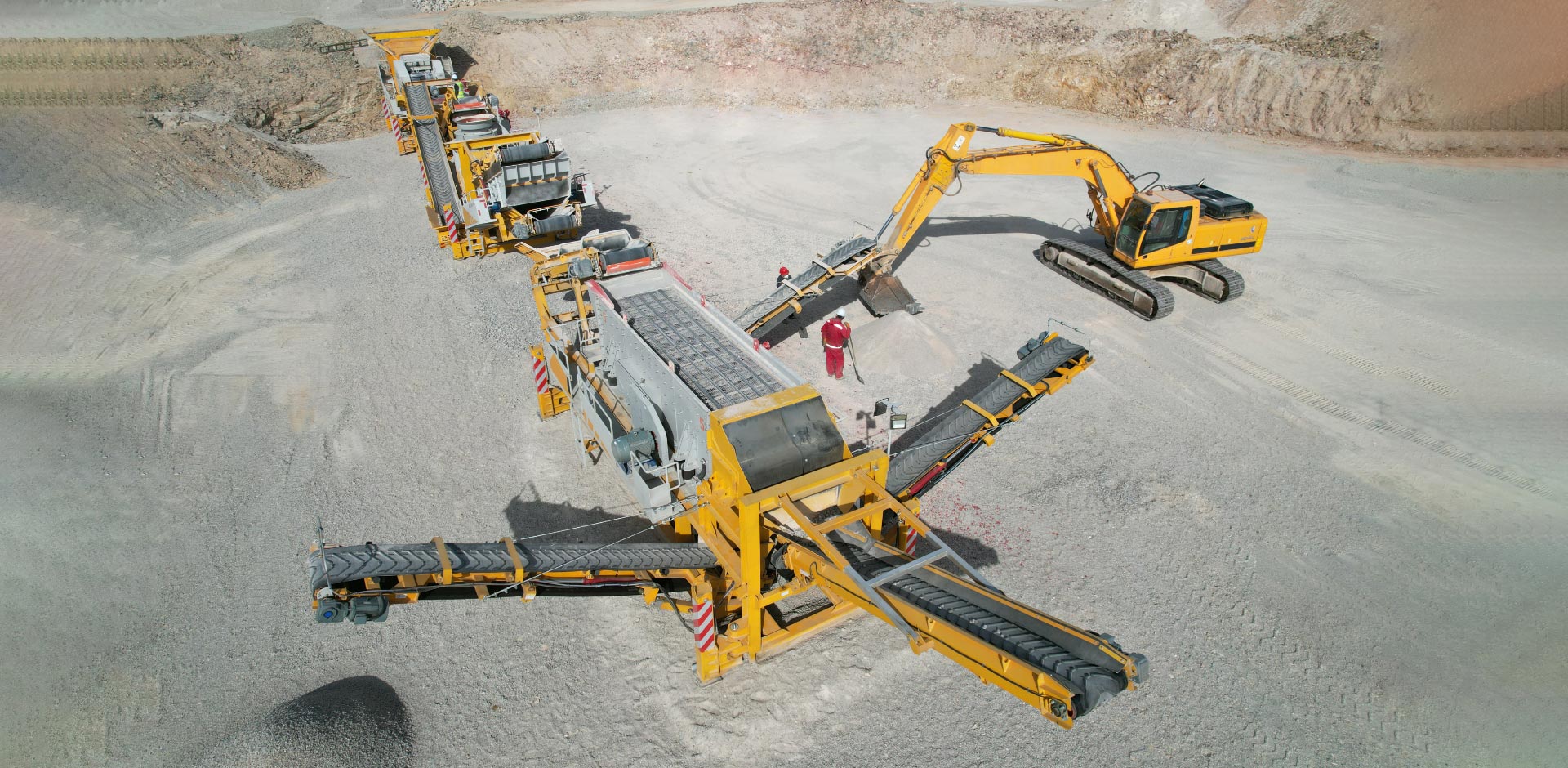
Outsourcing aggregate production can be practical when a contractor has limited demand, lacks a suitable quarry, or is working on a short project. However, continuously purchasing aggregates from suppliers also means paying for transportation, supplier margins, changing market prices, and sometimes inconsistent material availability. When aggregate demand becomes large or long-term, investing in mobile crushers can provide greater control over production and supply costs.
The decision is not simply about buying equipment versus hiring a supplier. It depends on project duration, aggregate volume, raw material availability, transportation distance, equipment utilization, and the flexibility required at the jobsite.
When Aggregate Demand Becomes Consistent
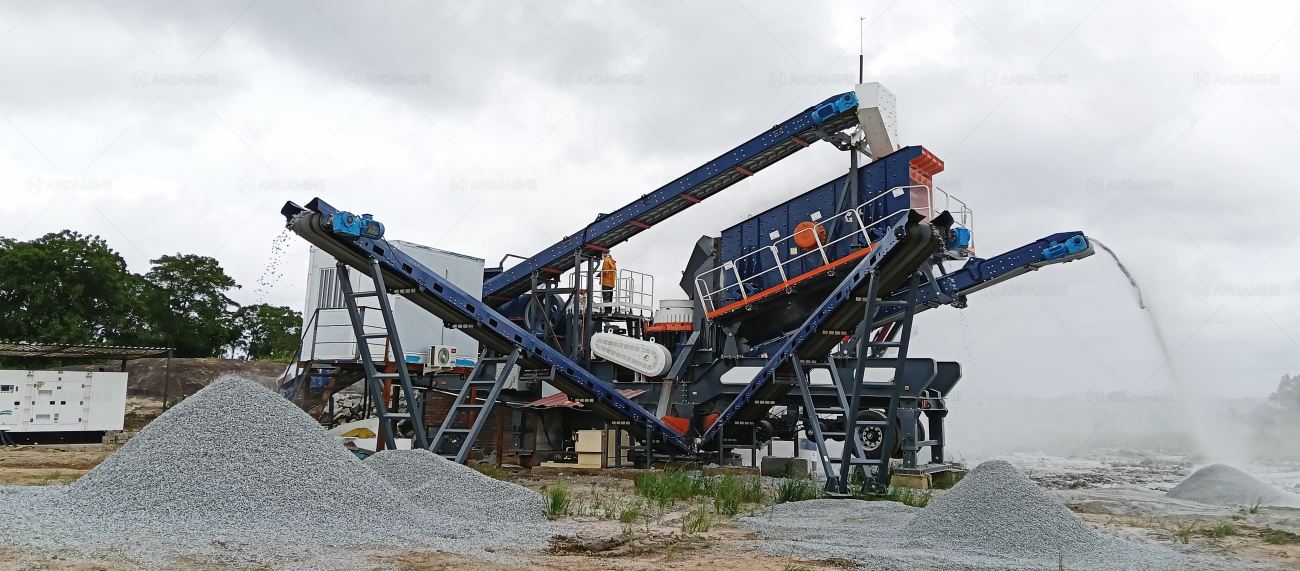
Buying mobile crushers becomes more attractive when a contractor needs aggregates continuously rather than occasionally. A road contractor, quarry operator, or infrastructure company may consume thousands or even millions of tons during a long-term project. At that scale, the cost difference between purchasing aggregates and producing them internally can become substantial.
With owned equipment, the company has greater control over production scheduling. Instead of depending on a supplier’s available stock or delivery schedule, aggregates can be produced according to actual project requirements. This can be particularly valuable when construction activities require a steady supply of base material, concrete aggregate, or road stone.
When Transportation Becomes a Major Cost
Aggregates are heavy and relatively inexpensive per ton compared with many manufactured construction materials. As a result, transportation can represent a significant share of their delivered cost. Buying aggregates from a distant supplier may appear economical at the quarry gate but become much more expensive after trucking is included.
A mobile crusher can change this calculation by bringing the crushing process closer to the raw material source or construction site. Instead of transporting large quantities of unprocessed rock over long distances, the operator can reduce the material before moving it. In suitable projects, this can reduce truck cycles, fuel consumption, road wear, and delivery dependence.
When Suitable Raw Material Is Available Locally
Owning a crusher only makes sense if there is a reliable source of suitable material. Contractors should investigate whether the project has access to granite, limestone, basalt, river stone, or other rock that can meet the required aggregate specifications.
If suitable rock is available near the project, a mobile crushing system can turn a local resource into usable construction material. This is particularly valuable for remote infrastructure projects where commercial aggregate suppliers may be far away. However, material testing should be completed before investment to confirm strength, abrasiveness, gradation potential, and other relevant characteristics.
When Project Locations Change
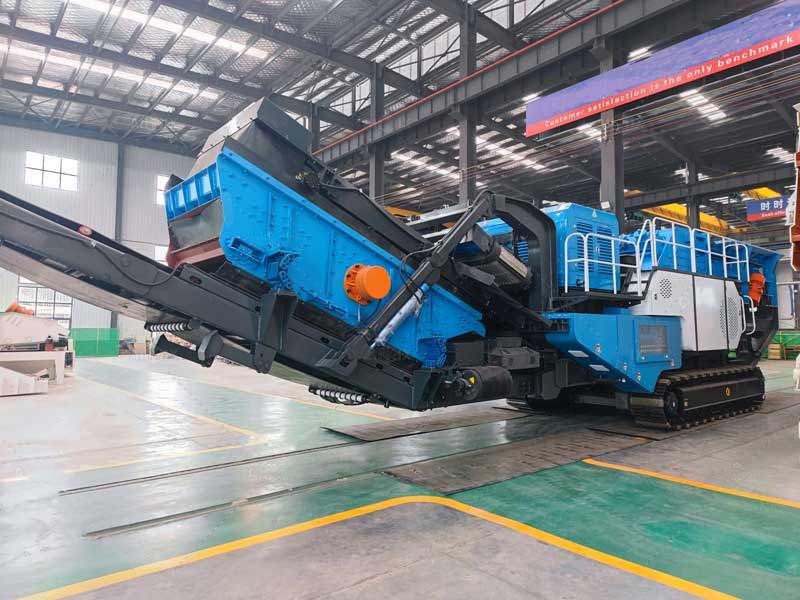
Stationary crushing plants are most effective when production remains in one location for an extended period. Mobile crushers provide another option when the working area changes during a project.
A mobile crawler crusher can be particularly useful in projects where the crushing equipment needs to move around a quarry, construction site, or developing road corridor. Its tracked configuration allows it to reposition within suitable working areas without requiring the same type of fixed installation as a conventional stationary plant.
This flexibility can be valuable when aggregate production needs to follow excavation or construction progress. Instead of repeatedly transporting raw rock to a distant fixed plant, the crushing operation can be positioned closer to the active material source.
When Supply Security Matters
Outsourcing aggregate production creates a degree of dependence on external suppliers. If a supplier experiences equipment failure, material shortages, transportation problems, or sudden demand increases from other customers, the contractor may face delays.
Owning mobile crushers provides greater control over aggregate availability. The contractor can determine when to produce material, which products to prioritize, and how much inventory to maintain. This does not eliminate operational risks, but it shifts more control into the contractor’s own production system.
When Local Markets Have High Aggregate Prices
The economics of purchasing a crusher become stronger when local aggregate prices are high because of limited supply or expensive transportation. A contractor should compare the delivered cost of purchased aggregate with the estimated internal production cost.
The calculation should include more than the crusher purchase price. Fuel, labor, maintenance, wear parts, transportation, site preparation, financing, and depreciation should all be considered. At the same time, the analysis should account for the residual value of the equipment and its potential use on future projects.
Regional Differences Can Change the Decision
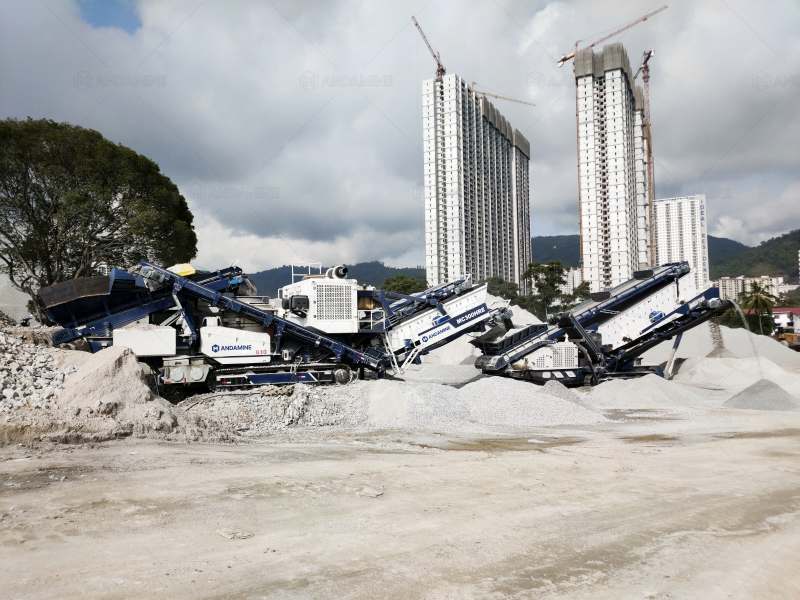
The same business decision can produce different results in different markets. For example, a mobile crusher Malaysia project may benefit from established infrastructure and relatively accessible construction markets, while projects in more remote regions may place greater emphasis on reducing aggregate transportation distances.
Similarly, a mobile crusher Indonesia operation may face additional logistics considerations because aggregate production and construction demand can be separated by long distances or challenging transportation routes. In such situations, producing aggregates closer to the quarry or project can have a stronger economic advantage.
These regional differences mean that contractors should evaluate the complete local supply chain rather than comparing equipment prices alone.
When One Machine Can Serve Multiple Projects
Equipment utilization is one of the most important factors in determining whether buying makes sense. A crusher used for only a few weeks may struggle to justify its investment. A machine that can move between several projects, however, can remain productive for much longer.
Contractors with recurring road, quarry, demolition, or infrastructure projects may therefore have a stronger case for ownership. The same mobile crushing equipment can potentially produce aggregates at different sites over its working life, spreading the investment across multiple contracts.
When Flexibility Is More Valuable Than Maximum Capacity
Buying a mobile crusher does not mean choosing the largest available machine. Oversized equipment can increase capital, transportation, fuel, and maintenance costs without providing meaningful benefits if actual demand is moderate.
The better approach is to match crusher capacity with realistic production requirements. A flexible mobile system that can be relocated efficiently may deliver greater value than a much larger plant that operates below its practical utilization level.
Compare Ownership with Outsourcing Over the Full Project
The final decision should be based on total project economics rather than the initial equipment quotation. Contractors can compare the expected cost of purchasing aggregates with the projected cost of owning and operating a mobile crushing system over the same period.
A simple comparison should include:
- Aggregate purchase cost: Material price plus delivery and related supplier charges.
- Equipment investment: Crusher, screening equipment, conveyors, and supporting machinery.
- Operating costs: Fuel, electricity, labor, wear parts, and routine maintenance.
- Utilization: Expected operating hours and total production during the project.
- Logistics: Equipment relocation and raw-material transportation requirements.
- Residual value: Potential resale or continued use after the current project.
If the crusher can remain productive across multiple projects, reduce transportation costs, and provide a reliable supply of locally produced aggregate, ownership can become more attractive than long-term outsourcing.
Conclusion
Buying mobile crushers makes the most sense when aggregate demand is substantial, suitable raw material is available locally, transportation costs are high, and the equipment can achieve strong utilization across one or multiple projects. For short-term or low-volume work, outsourcing may remain the simpler option.
The important question is therefore not simply whether a company should buy a crusher. It is whether controlling aggregate production can create enough savings, flexibility, and supply security to justify the investment. When the answer is yes, mobile crushing can become a strategic production asset rather than just another piece of construction equipment.