Deploying a continuous asphalt hot mix plant offers measurable financial and operational advantages for infrastructure development in remote regions. Compared to complex batching facilities, the total asphalt plant cost of a continuous drum system is significantly lower, both in initial capital expenditure and long-term maintenance overhead. However, executing successful rural road construction projects requires more than just selecting efficient machinery. Contractors must demand robust localized logistics, modular equipment footprints, and proactive technical support from their chosen asphalt drum mix plant supplier to overcome the severe site access limitations and long supply lines typical of countryside paving initiatives.
Comparative Cost Dynamics of Continuous and Batching Systems
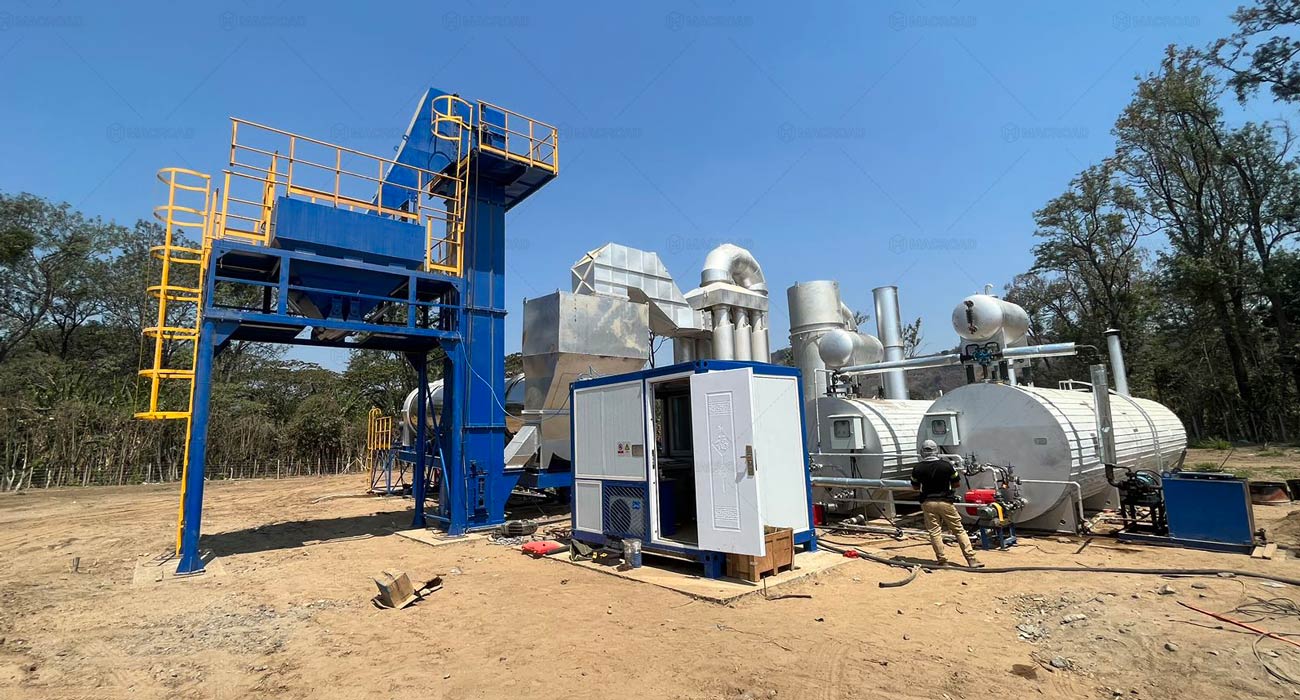
Evaluating the total asphalt plant cost requires balancing the initial machinery purchase price against multi-year operational expenses in remote environments. A continuous asphalt hot mix plant eliminates the heavy vertical screening towers, hot elevators, and complex weigh hoppers that define batching facilities. Consequently, the structural steel requirements and mechanical complexity are drastically reduced, lowering both the upfront acquisition price and subsequent foundation installation expenses. In light of this, regional development directors can maximize their infrastructure budgets, allocating more capital toward extended road mileage rather than expensive production hardware.
From a logistics perspective, the mechanical simplicity of a drum-based configuration translates directly into lower long-term maintenance overhead. Batch plants utilize high-wear pugmill mixers and intricate pneumatic gates that require frequent part replacements and specialized calibration. Conversely, an asphalt hot mix plant based on continuous drum technology features fewer moving parts, which minimizes the risk of unscheduled mechanical breakdowns in isolated areas. This operational reliability is critical when operating hundreds of kilometers away from primary equipment dealerships, where a single broken component can halt an entire paving crew for weeks.
Specifically, the reduced weight and modular design of continuous facilities simplify the initial transport and assembly process across challenging terrain. Rural road construction initiatives often face weak bridges, narrow unpaved passes, and tight turning radiuses that make moving a massive batching tower physically impossible. By selecting a streamlined continuous plant, contractors can split the machinery into highly mobile, wheel-mounted loads that navigate primitive mountain or jungle roads safely. This mobility reduces specialized heavy-haul transport fees, further lowering the total mobilization budget for the project.
Optimizing Fuel Efficiency and Moisture Management in Remote Sites
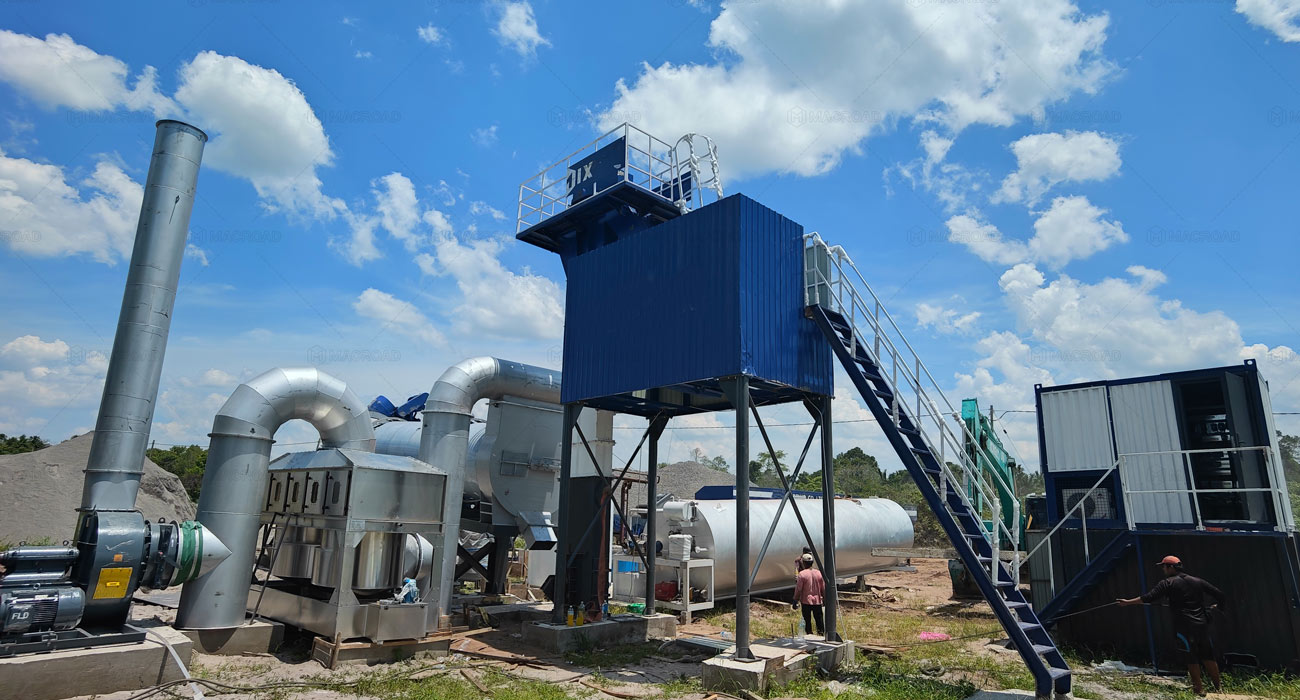
Processing local aggregates with varying moisture levels represents a major operational hurdle in countryside paving. A standard asphalt hot mix plant using a continuous drum configuration optimizes thermal efficiency by creating a dense, uninterrupted material veil inside the drying drum. This maximize radiant heat transfer from the burner directly into the aggregate matrix, ensuring complete moisture evaporation before binder blending occurs. In light of this, the plant maintains a highly stable thermal profile, which prevents the excessive fuel spikes that often plague batch plants during intermittent production runs.
Managing fuel consumption is a paramount financial concern for remote projects due to the high cost of transporting fuel over long distances. Because a continuous plant operates without the constant stopping and restarting inherent in batching methodology, its burner runs at a highly optimized, steady state. This continuity drastically reduces fuel consumption per ton of output, directly insulating the contractor from fluctuating energy prices. From a logistics perspective, minimizing the volume of diesel or heavy oil required at the site reduces the number of hazardous supply truck trips needed, securing project margins against escalating transport costs.
Conversely, attempting to process high-moisture stone in an inefficient system leads to poor bitumen adhesion and premature pavement stripping. Advanced continuous drum systems utilize real-time exhaust gas temperature monitoring to adjust air-to-fuel ratios automatically, maintaining complete combustion even when aggregate moisture content changes rapidly due to weather events. Specifically, this automated thermal management protects the expensive baghouse filtration systems from moisture condensation and clogging. Maintaining clean, dry filtration systems ensures continuous airflow, allowing the plant to run at peak capacity throughout the construction season.
Vendor Obligations for Securing Remote Project Profitability
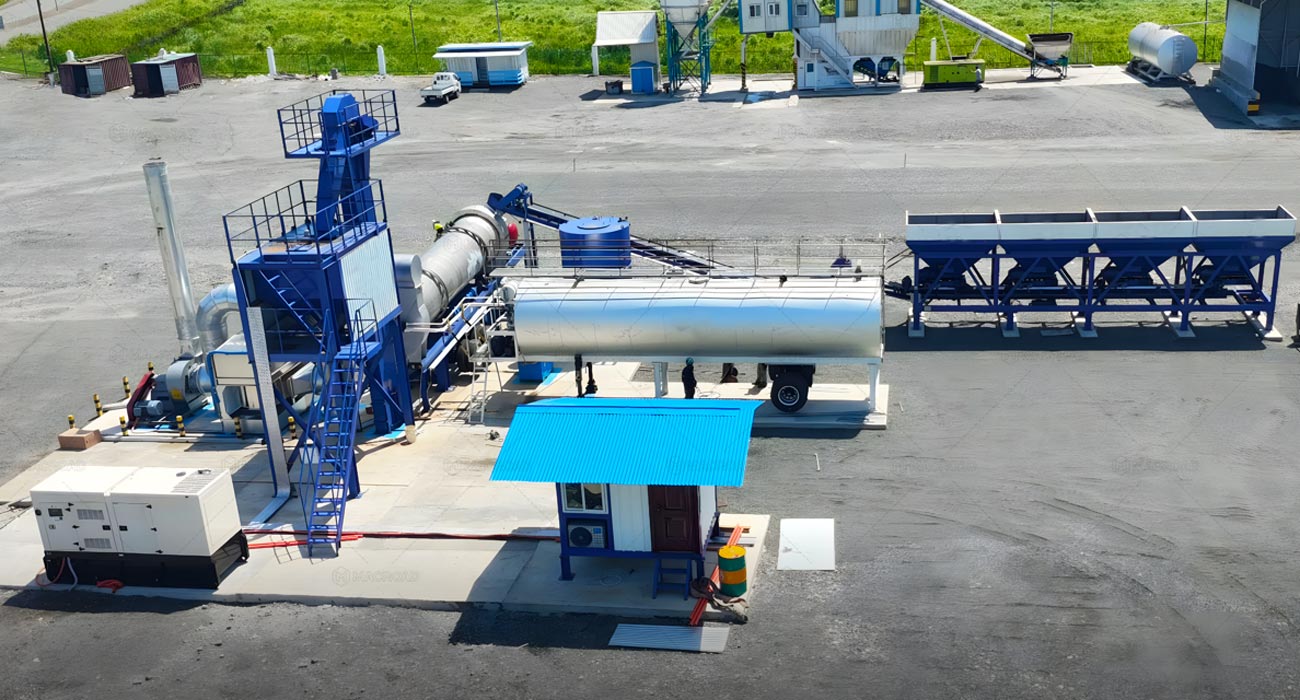
Achieving a sustainable return on investment in remote regions depends heavily on the field support commitments made by the asphalt drum mix plant supplier. Strategic contractors must mandate that their vendor provides comprehensive pre-delivery engineering assessments, including customized site layout designs optimized for restrictive rural topography. Furthermore, the supplier must supply ruggedized, weather-proof control cabins equipped with independent backup power stabilization to protect sensitive electronic components from local grid fluctuations. These technical safeguards prevent control software corruption, ensuring continuous flow mixing from day one.
From a logistics perspective, the asphalt drum mix plant supplier must establish a dedicated, regional consignment parts package stored directly at the job site or a nearby local hub. This inventory must include critical wear items such as trunnion rollers, burner nozzles, conveyor belts, and essential electronic sensors to eliminate transit wait times during a mechanical emergency. Specifically, relying on international shipping for basic components during a short rural road construction window can destroy a contractor’s seasonal profitability. Having immediate access to factory-certified spare parts ensures that minor component wear does not escalate into a project-ending bottleneck.
Ultimately, the vendor must provide robust remote diagnostic telematics alongside factory-trained field technicians who remain on-site during the critical assembly and commissioning phases. These specialists must train local operators in advanced calibration techniques, ensuring the crew can adjust aggregate feed scales and bitumen dosing pumps independently as material characteristics vary. When a supplier backs their continuous asphalt hot mix plant with this level of operational security, the financial risks of remote deployment are heavily mitigated. This comprehensive technical backing allows regional development directors to confidently approve countryside paving initiatives, knowing the asset will deliver consistent quality and predictable returns.
Engineering Resilience Drives Regional Infrastructure Success
Successfully executing rural road construction projects requires production machinery that combines structural durability, thermal efficiency, and high mobility. While traditional batching setups offer precise segmentation, their high initial total asphalt plant cost and complex maintenance requirements make them ill-suited for isolated, logistically challenging environments. A modern continuous asphalt hot mix plant addresses these remote constraints by minimizing fuel overhead, simplifying transport logistics, and lowering operational expenditures over the life of the asset. By partnering with a proactive asphalt drum mix plant supplier who provides robust localized support and critical parts inventories, contractors can eliminate operational downtime, guarantee strict mix uniformity, and deliver profitable, long-lasting infrastructure upgrades where they are needed most.